




Benefits of Carpet Cleaning and When a Professional Is Worth It

The benefits of carpet cleaning are cleaner indoor air, fewer allergens, a longer-lasting carpet, and a manufacturer warranty that stays valid. For most homes, a professional is worth it, because nearly every one of those benefits depends on how the carpet gets cleaned. Done poorly, a cleaning can leave your carpet looking dirtier a month later than it did before you started, and it can quietly void the warranty you thought you were protecting.
Some of those benefits you can get with a rental machine. Others you can't, and knowing which is which tells you when to make the call.
Is Professional Carpet Cleaning Worth It?

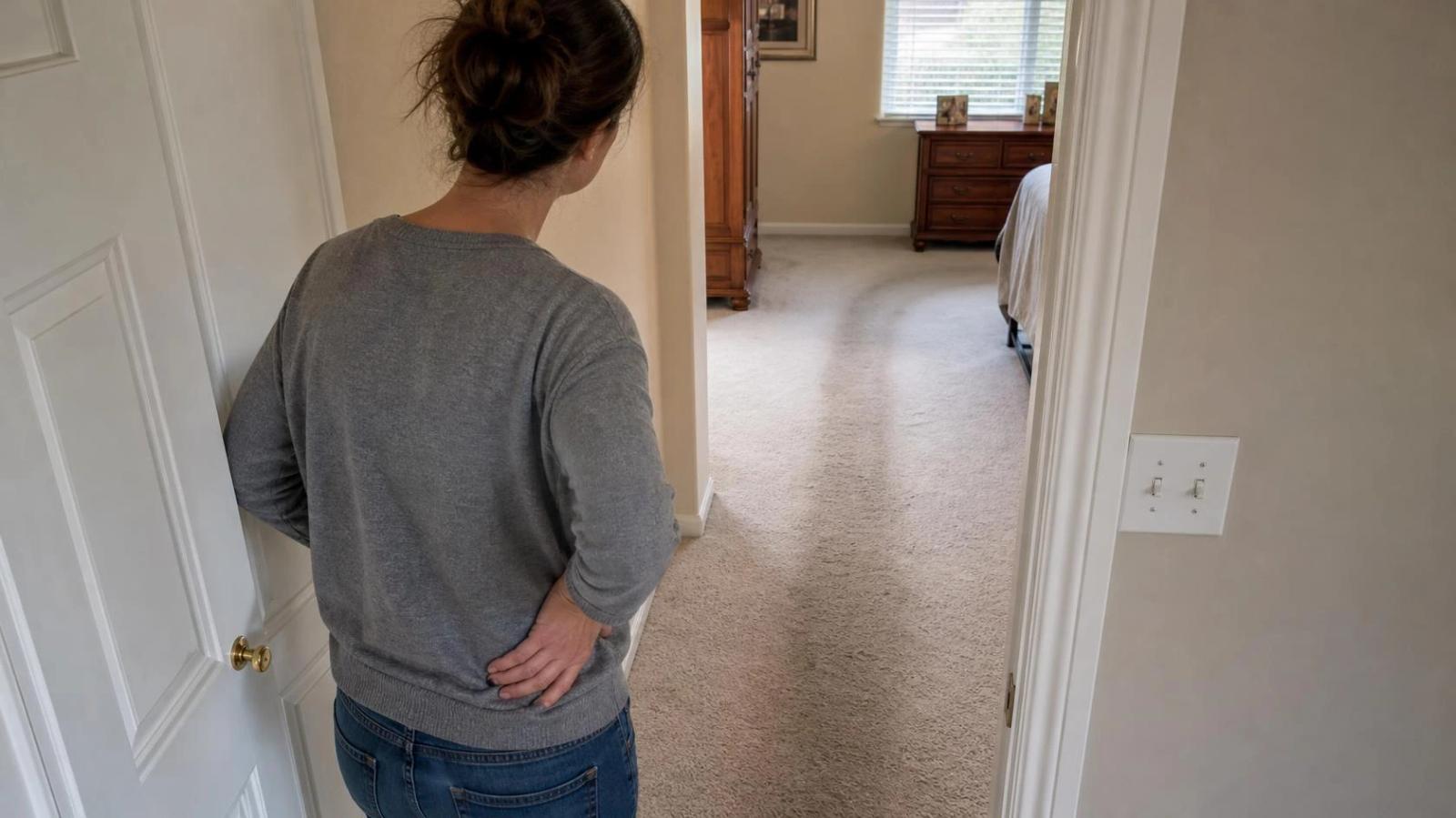
Yes, when your carpet has visible traffic lanes, set-in spots, pet accidents, or allergy sufferers living on it, and when it's still covered by a manufacturer warranty. It's worth less when the carpet is close to the end of its life, or when all you need is a quick fix on a fresh spill. What a proper cleaning costs is a fraction of replacing the carpet it protects, which is why the cheapest quote often turns into the most expensive choice.
The difference comes down to what sits below the surface of the pile.
Are Professional Carpet Cleaners Better Than Home Machines?
For anything beyond light upkeep, yes. Home and rental machines can't match professional equipment, and the gap shows up in what they leave behind.

Regular vacuuming only removes surface soil. Underneath, packed into the base of the pile, sits sand, grit, and fine dust that a household vacuum leaves behind. Much of that soil is insoluble, which means water can't dissolve it. Add water before it's removed and it clumps, the same way sand does at the beach.
When you rent a machine like a Rug Doctor or run a Bissell at home, you're working with far less heat and suction than professional methods like hot water extraction, and usually skipping the dry soil step entirely. The carpet stays wet longer, and more of the cleaning solution stays in the fibers.
Plenty of people who've tried both say the results looked the same on the day. The difference shows up a few weeks later, when the rental-cleaned traffic lanes return faster and darker than before.
When Is DIY Carpet Cleaning Enough?
Doing it yourself makes sense for a fresh spill you blot right away, a small rug, or a lightly used guest room between professional visits. A spot product like OxiClean can handle a new spill if you test it on a hidden area first and rinse it well afterward, since product left in the pile attracts soil.
What DIY can't do is replace a professional cleaning for warranty purposes, or deliver the deep clean that pulls out the deeply embedded soil wearing your carpet down.
8 Benefits of Professional Carpet Cleaning
The first two are the key health benefits; the rest protect the carpet itself and the money you spent on it.
1. Cleaner Carpets Improve Indoor Air Quality
Your carpet acts like a large air filter. It traps dust and other airborne pollutants that would otherwise stay in the air you breathe. That's useful until the filter fills up. The EPA lists pollen, mold spores, pet dander, dust mite droppings, and skin cells among the common contaminants in household dust, and notes that everyday activity like walking and vacuuming stirs them back into the air. Once the carpet is loaded, every footstep does exactly that.
Cleaning resets the filter. Removing pollutants that can affect your breathing, along with other contaminants trapped within the carpet, lets it start trapping particles again, which is how a clean carpet helps improve indoor air quality. You notice it as less of the dust drifting through a sunbeam.
2. Fewer Allergens and Dust Mites in Your Carpet
Dust mites live deep in the pile, feeding on the skin flakes everyone sheds. Their droppings are a common allergy trigger, and they sit well below the reach of a vacuum. Thorough cleaning reduces these allergens. No cleaning eliminates them entirely, but a properly cleaned carpet gives anyone with allergies or asthma a healthier environment at floor level, where kids and pets spend most of their time.
Humidity plays a part. The Asthma and Allergy Foundation of America notes that keeping indoor humidity down helps limit both dust mites and mold, which is one more reason carpet should never stay damp after a cleaning.
3. A Longer Life for Your Carpet
Grit acts like sandpaper. Every time someone walks across the carpet, sharp soil particles scrape the fibers from the inside. Over time those scuffed fibers scatter light differently, and the carpet takes on a dull, dingy look in the traffic areas.
That damage is permanent, and no cleaning reverses it. The only defense is removing the abrasive soil before it does the scraping, which is why regular professional cleaning is the cheapest way of extending carpet life. It protects your carpet investment by pushing the bill for new carpet years further down the road.
4. Carpet Stains and Odors Treated at the Source
Not every mark on a carpet is the same thing. A spot is soil sitting on the fiber, and a good cleaning removes it. A true stain is a color change in the fiber itself, and by definition it can't be cleaned out. It needs a separate process called color correction, which is a specialist skill rather than a stronger chemical.
Knowing the difference is the core of effective stain removal. It's also why stubborn stains that survived years of routine cleanings can sometimes be corrected, while a cleaner who treats everything as dirt just scrubs harder. Paint is its own category too: latex and acrylic paint need specific treatment, ideally before they cure.
Vincent once worked on a stain a homeowner had inherited with the house. Years of routine cleanings never touched it, and the plan was to cut out that section of carpet. A color correction reduced it so much that the section stayed.
Odors work the same way. Pet urine soaks past the fibers into the backing and pad, so perfumed products only cover the smell for a few days. Treating the source is the only fix that lasts.
5. Traffic Lanes That Match the Rest of the Room
Hallways, doorways, and the path to the couch show wear first. Part of that is soil and part of it is matted pile. A thorough cleaning lifts the soil, and grooming the carpet with a carpet rake afterward sets the fibers upright so they dry standing instead of flattened. Pile that's been crushed beyond recovery won't come back, but most traffic lanes end up closer to the rest of the room than owners expect.
6. Carpet That Stays Clean Longer
Detergent left in carpet fibers dries into a sticky film, and that film grabs new soil from every shoe and sock.
A professional cleaning uses minimal detergent, or a mildly acidic rinse, and extracts it thoroughly so nothing is left behind to cause buildup. Carpet cleaned this way resoils more slowly, which stretches the time between cleanings, so the carpet still looks freshly cleaned when guests come over months later.
7. Lower Risk of Mold and Mildew in Carpet
Mold needs moisture, and carpet that stays wet too long gives it that. The EPA advises drying wet materials within 24 to 48 hours to prevent mold growth, and the Carpet and Rug Institute says carpet that's been extraction-cleaned properly should dry within about 12 hours, well before mold can take hold. Over-wetting is a common problem with rental machines and rushed jobs, where water soaks into the pad and the carpet stays damp for days.
Professional extraction pulls out more water, and airflow afterward speeds drying further.
8. Your Carpet Warranty Stays Valid
Most carpet warranties require you to have your carpets professionally cleaned on a schedule, typically every 12 to 24 months. Many major brands, including Mohawk, set the interval at 18 months and specify hot water extraction. Some also require that the cleaning products and equipment carry the Carpet and Rug Institute Seal of Approval, and some expect regular vacuuming with a CRI-certified vacuum between cleanings.
The requirement people miss is the paperwork. If you ever file a claim, the manufacturer will ask for dated receipts showing the company name and the cleaning method used. DIY cleanings with a rental machine, unapproved chemicals, or missing records are some of the most common reasons claims get denied. If a claim is disputed, it's typically evaluated by a certified carpet inspector, so working with an IICRC-certified technician who documents each job keeps you covered.
What Does Professional Carpet Cleaning Include?
A professional carpet cleaning includes six steps, and the ones a cleaner skips are usually the ones that matter most.
- Assessment. The technician identifies the fiber, the specific carpet type, the soil level, and which marks are spots versus stains. This decides the products and method.
- Dry soil removal. A commercial vacuum, ideally with HEPA filtration, pulls out the insoluble grit before any water touches the carpet. It's the most important step for effective cleaning and the one most often skipped.
- Pre-treatment. Cleaning agents are applied to loosen and emulsify the soluble soils and oils.
- Agitation. Light or mechanical agitation works the product through the pile so it reaches the soil.
- Hot water extraction. The industry now calls this water-rinse extraction. It's often called steam cleaning, but no steam is involved. Heated rinse water flushes the fibers while powerful suction removes the water, the loosened soil, and the cleaning solutions together.
- Drying and grooming. Extra dry passes and air movers speed drying, and cut-pile carpet is groomed so it dries upright.
Why Does Carpet Look Dirtier After Cleaning?
Carpet usually looks dirtier after cleaning for one of three reasons: detergent residue, wick-back, or pile distortion. If you've watched a dirty carpet get dirty again within weeks of a cleaning, one of these is the cause.

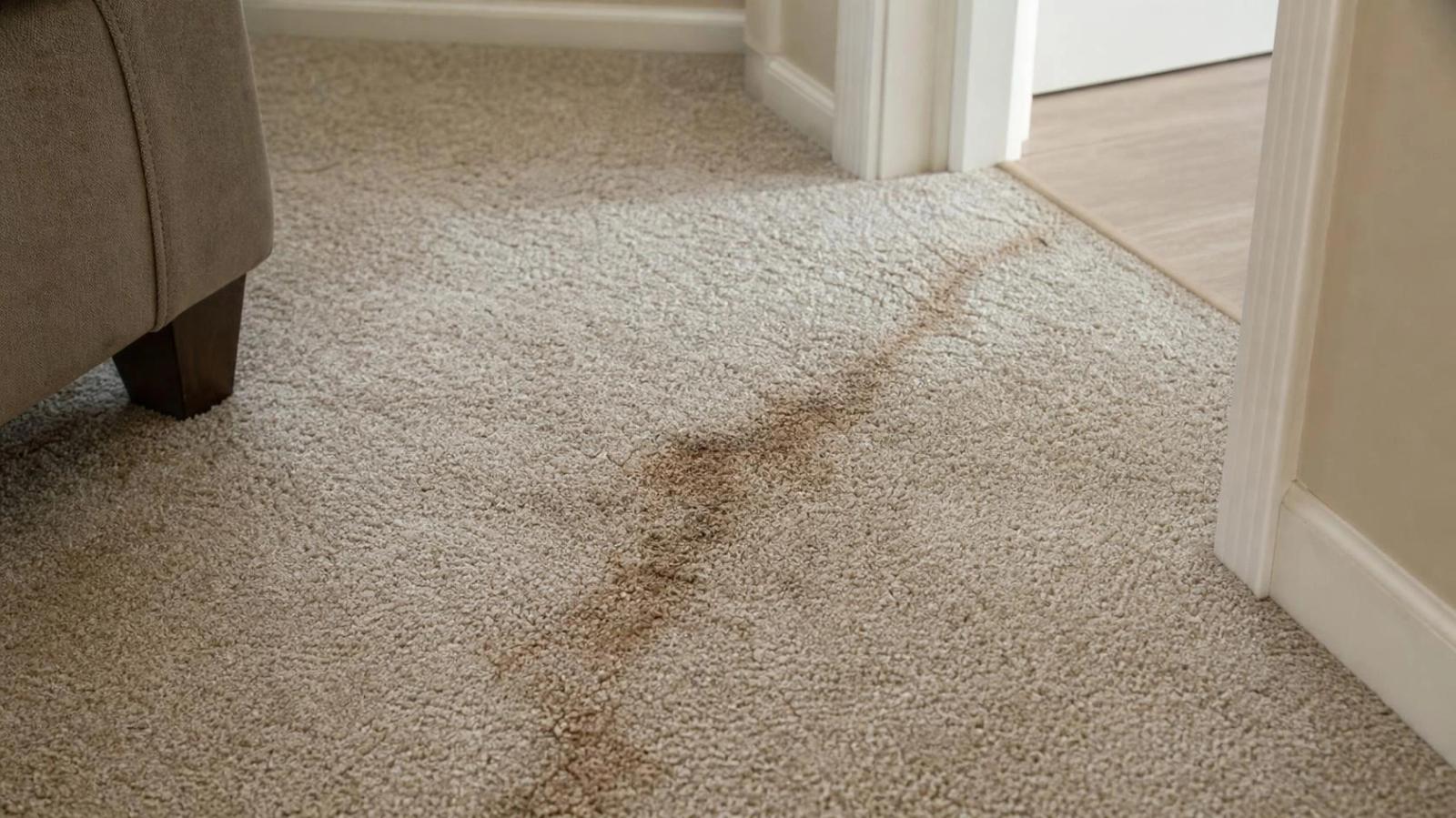
Residue is the sticky detergent film covered earlier. Wick-back happens when water soaks deep into the backing or pad: as it dries, it carries old soil and spill residue up to the surface, leaving brown or yellow marks. And in traffic areas, crushed pile that was never groomed upright looks darker even when it's clean.
None of these is limited to DIY. A rushed professional job can cause all three. The fix is the same either way: dry soil removal first, minimal detergent, a thorough rinse, and fast drying.
How Often Should You Schedule Professional Carpet Cleaning?
The Carpet and Rug Institute recommends professional cleaning every 12 to 18 months for a typical home, which falls inside the window most carpet warranties require. Homes with pets, young kids, allergy sufferers, or heavy foot traffic benefit from more frequent professional cleanings.
Between visits, home maintenance does a lot of the work. The Carpet and Rug Institute recommends vacuuming at least twice a week, with the beater bar set correctly for your carpet. Walk-off mats at every entry and fewer shoes in the house cut down the abrasive soil reaching your carpet fibers. Commercial carpet runs on a different rhythm, and offices or schools often use commercial carpet cleaning services on a quarterly or interim schedule to keep pace with traffic.
Is It Worth Cleaning Old Carpet?
Age alone doesn't decide it. Condition does. Most guides frame this as clean or replace, but there's a third option they leave out: repair.
Clean it when the fibers are intact, the pad still feels supportive underfoot, and the problem is soil, spots, or odor sitting in the pile. A 15 or even 20 year old carpet in that state can look and feel substantially better after a proper cleaning. Carpet quality counts here, since a well-made wool or nylon carpet holds up to cleaning better than a thin budget one.

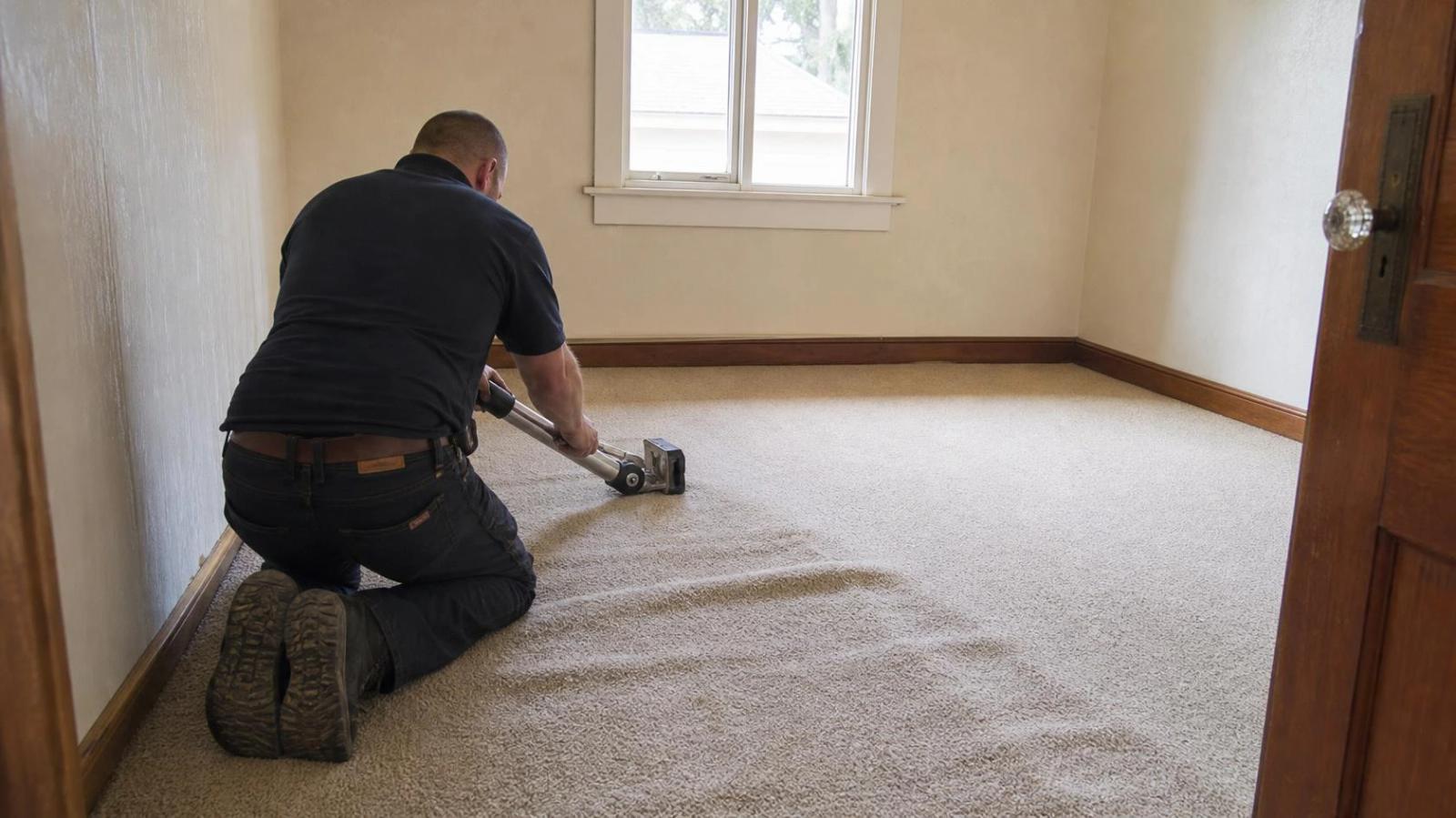
Repair it when the damage is localized. Ripples and buckles can be power-stretched flat. Pet damage, burns, and open seams can often be patched or rejoined so the repair is hard to spot. Repairing a problem instead of cleaning around it, or replacing a whole room because of one area, often preserves carpet that has years left in it.
Replace it when the pad has collapsed and the carpet feels hard or flat everywhere, when traffic paths have worn down to the backing, when the backing is crumbling, or when pet urine or water has soaked through to the subfloor.
As for whether old carpet is unhealthy, the answer depends on what it's holding. Old carpet that has been cleaned regularly is no worse than new carpet. Old carpet that has never been cleaned, or that has stayed damp, can harbor a lot of contamination, and that's when an honest assessment matters more than a sales pitch for new flooring.
If you can't tell which category your carpet falls into, that's what a free in-home assessment is for.
What to Know Before and After Carpet Cleaning
Do carpets need to be vacuumed before professional cleaning?
Not if you've hired the right cleaner. A good professional carpet cleaning service includes thorough dry soil removal as the first step of the job. If a carpet cleaning company skips that step and goes straight to the wand, that tells you something about the rest of the work.
Do professional carpet cleaners use your water?
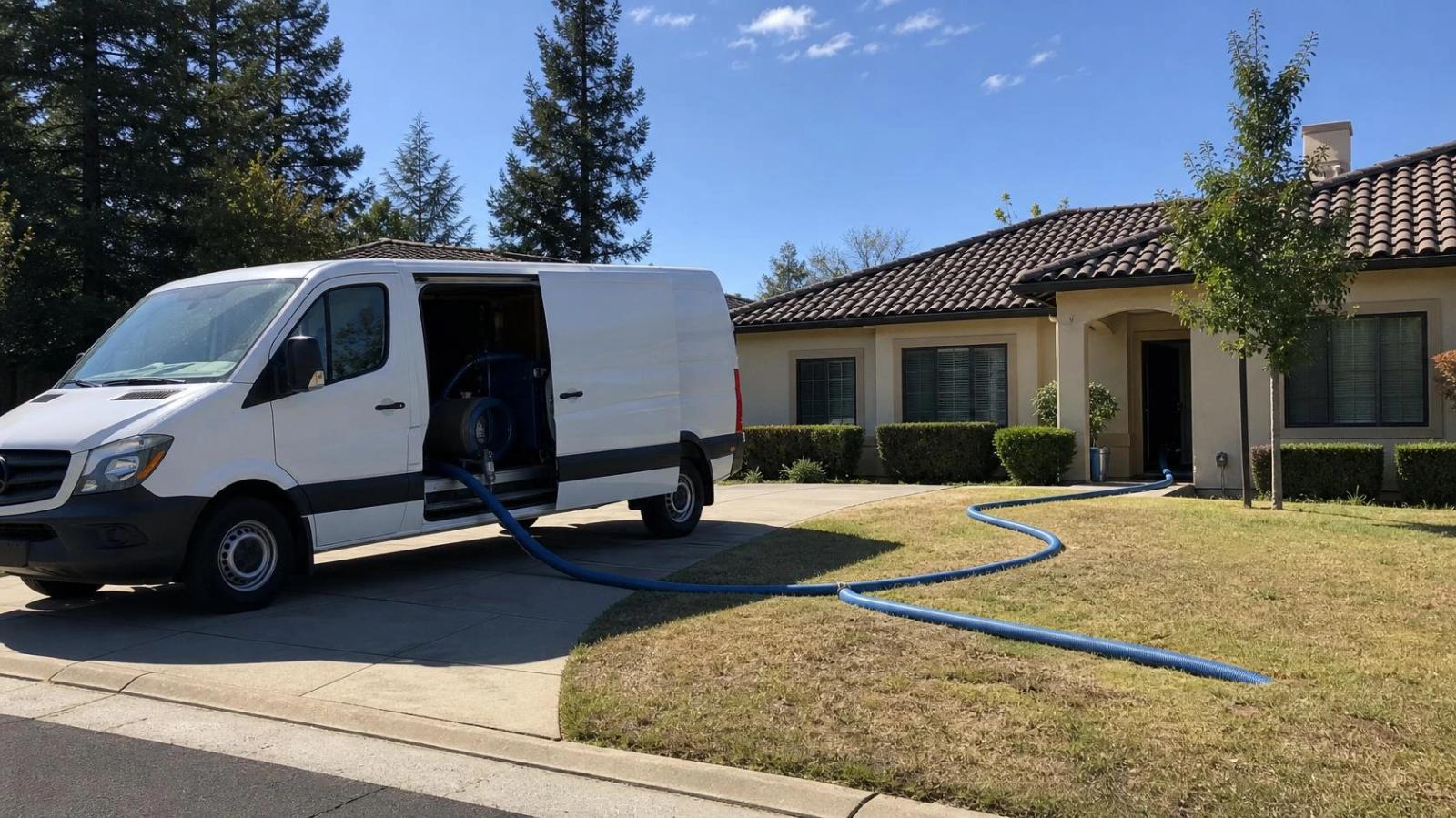
It depends on the equipment. Some professional cleaners use truck-mounted systems that carry their own water supply, while others connect to an outdoor spigot, and portable units typically use household water. Ask when you book so you know what to expect.
What is the best time to clean carpet?
Any time you can stay off the carpet for several hours with air moving through the room. Avoid booking it for the morning guests arrive.
What should you not do after carpet cleaning?
Don't walk on damp carpet in shoes, don't put furniture back without protective tabs or blocks under the legs, don't let pets onto the wet area, and don't close the room up. Trapped humidity slows drying and invites the wick-back problems described above.
How long should you stay off the carpet after cleaning?
Until it's fully dry. If you have to cross it sooner, wear clean socks or shoe covers.
What makes a carpet cleaner good?
Look for IICRC certification, an in-home assessment before a firm quote, a clear explanation of the cleaning method, and a willingness to tell you what can't be removed. A professional carpet cleaner who promises every mark will come out, or quotes a flat per-room special without seeing the carpet, is guessing.
Professional Carpet Cleaning in Sacramento
Whether your carpet is due or overdue, the next cleaning decides how long it lasts and whether your warranty survives. That's the moment to hire a professional.
If you're in the Sacramento region, Ardent Carpet Restore is run by Vincent Adams, an IICRC Master Textile Cleaner and practicing Senior Carpet Inspector with more than 23 years in the industry. He handles every job personally, books a limited number of jobs each week so each one gets the time it needs, follows the industry's written standards, and starts with a free in-home assessment so you know what your carpet needs, and what it doesn't, before any work begins.
Find out what your carpet actually needs with a free in-home assessment.