




Carpet Repair vs Replacement: Do You Really Need New Carpet?

The carpet repair vs replacement decision is simple: repair when the damage is contained to one spot, and replace when it has spread through the room. A chewed doorway, a burn, or a torn edge in carpet that is otherwise in good condition is almost always repairable. Odor or water that has soaked into the pad is a replacement job. The catch is that damage rarely looks like what it is. A torn corner looks catastrophic and is usually a routine fix. A gray traffic lane looks like dirt and can mean the carpet is finished.
That's why deciding whether to repair or replace is so easy to get wrong, especially when the person you ask to assess it has a reason to prefer the more expensive answer.
Carpet Repair vs Replacement: How Do They Compare?
Repair fixes the damaged section and leaves the existing carpet in place. Replacement removes the carpet and the pad underneath and puts down new flooring.
| Carpet repair | Carpet replacement | ||
|---|---|---|---|
What it fixes | One damaged section: holes, tears, burns, discoloration | Carpet that is worn, contaminated, or failing across the room | |
Rest of the carpet | Sound, with life left in it | Matted, thin, or saturated throughout | |
Pad underneath | Stays in place | Removed and replaced | |
Disruption | Work stays in the damaged area | Furniture moved, entire room cleared, old carpet hauled away | |
Also right when | You like the carpet and want to keep it | You want a different style or color |
Applying the table to your own home starts with the damage itself.
What Carpet Damage Can Be Repaired?

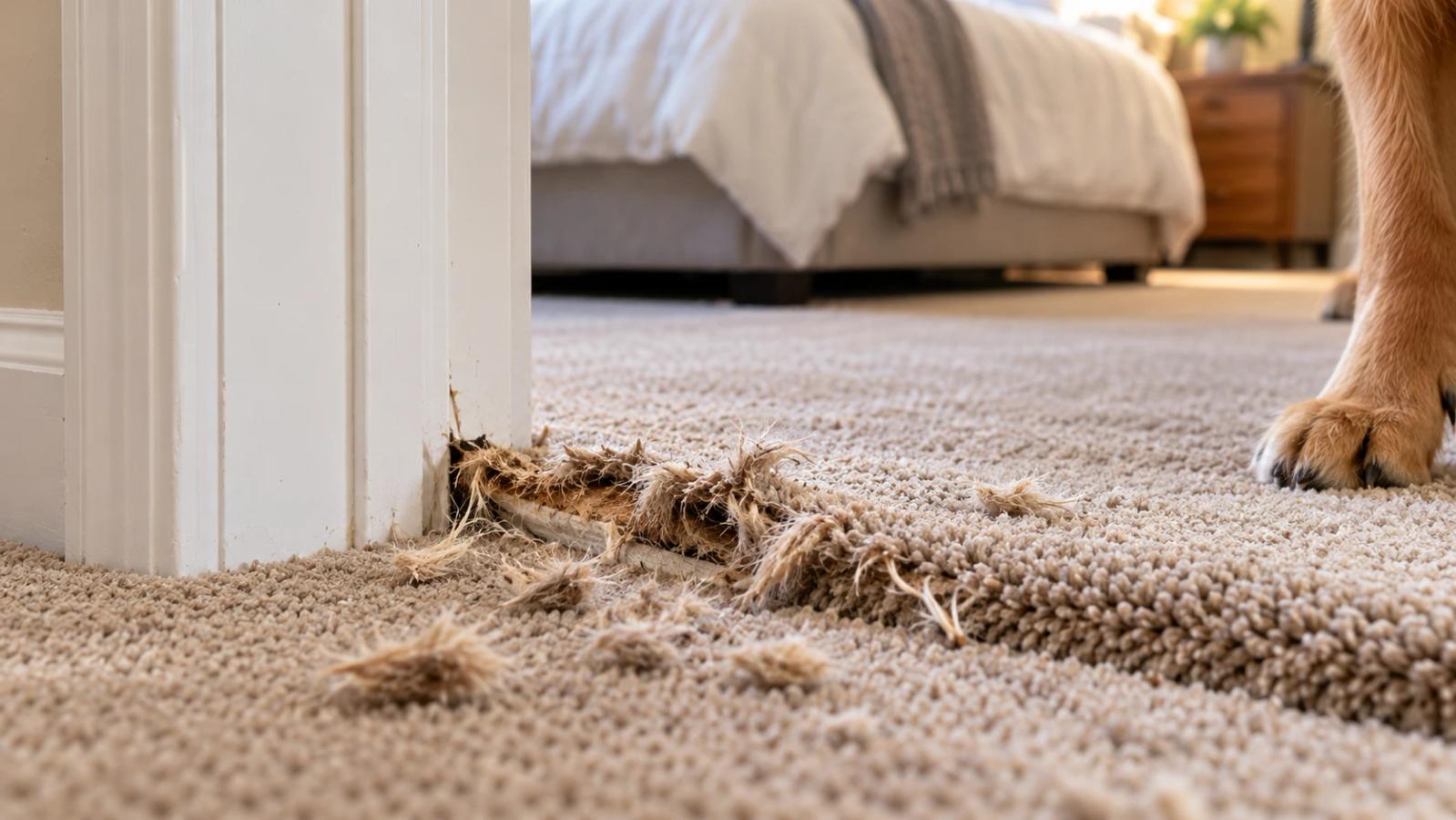
Most carpet damage that sends a homeowner searching for replacement prices is local. A dog or cat that dug at the bedroom doorway while you were at work. A candle or iron burn in the living room. A seam that started fraying where rolling chairs cross a high-traffic path. A bleach spot from a cleaning accident. Each of these can look like the end of the carpet. None of them are, as long as the carpet around them is sound.
The fix depends on the damage. Burns and missing tufts on cut-pile carpet can be re-tufted, and looped carpet can get a row repair. Bleach marks and other discoloration can sometimes be corrected with spot dyeing instead of being cut out at all. Ardent's carpet repair service covers each of these, along with seam reconstruction and transitions.
Ripples and a wrinkle running across the room are different carpet problems. The carpet has come loose, and carpet stretching usually fixes it. That decision has its own logic, which we cover in our guide to carpet stretching vs replacement.
To test it, look past the damage. If the pile around it still stands up, the color is consistent, and the floor feels even underfoot, repairing your carpet keeps the floor you chose and skips the tear-out.
The most common question at this point is whether a hole can really disappear.
Can You Replace Just a Patch of Carpet?
Yes. Holes, tears, pet damage, and burns can be cut out and filled with a new piece of carpet that matches the original. The best match comes from leftover installation scraps, which installers call attic stock. If you don't have any extra carpet, a technician takes donor carpet from a closet or another hidden spot and fills that spot with a scrap.
Whether you can find the repair afterward comes down to details. The pile of the insert has to run the same direction as the surrounding carpet, or it catches light differently and shows as a darker or lighter square. The edges need clean, straight cuts and a bond that holds under foot traffic. Ardent calls this a bonded insert rather than a carpet patch, because the goal is an insert that lasts as long as the carpet does.
This is also why DIY kits disappoint. YouTube is full of tutorials where someone with a utility knife and double-sided tape tries to patch carpet in an afternoon. In a closet, that can be good enough. In the middle of a hallway, the tape lets go, the edges fray, and you only get one chance to cut the carpet. A bad carpet cut is permanent.
If you're looking at a chewed doorway right now, send Vincent a few photos. He can often give you a ballpark before he ever visits.
One honest limit applies even to professional repair. If the surrounding carpet has faded from sun or worn down from traffic, an insert taken from a protected closet can look brighter than everything around it.
That limit is the first hint of when repair stops being the answer.
How Do You Know Your Carpet Needs Replacing?
Replacement makes sense when the problem is no longer in one place.

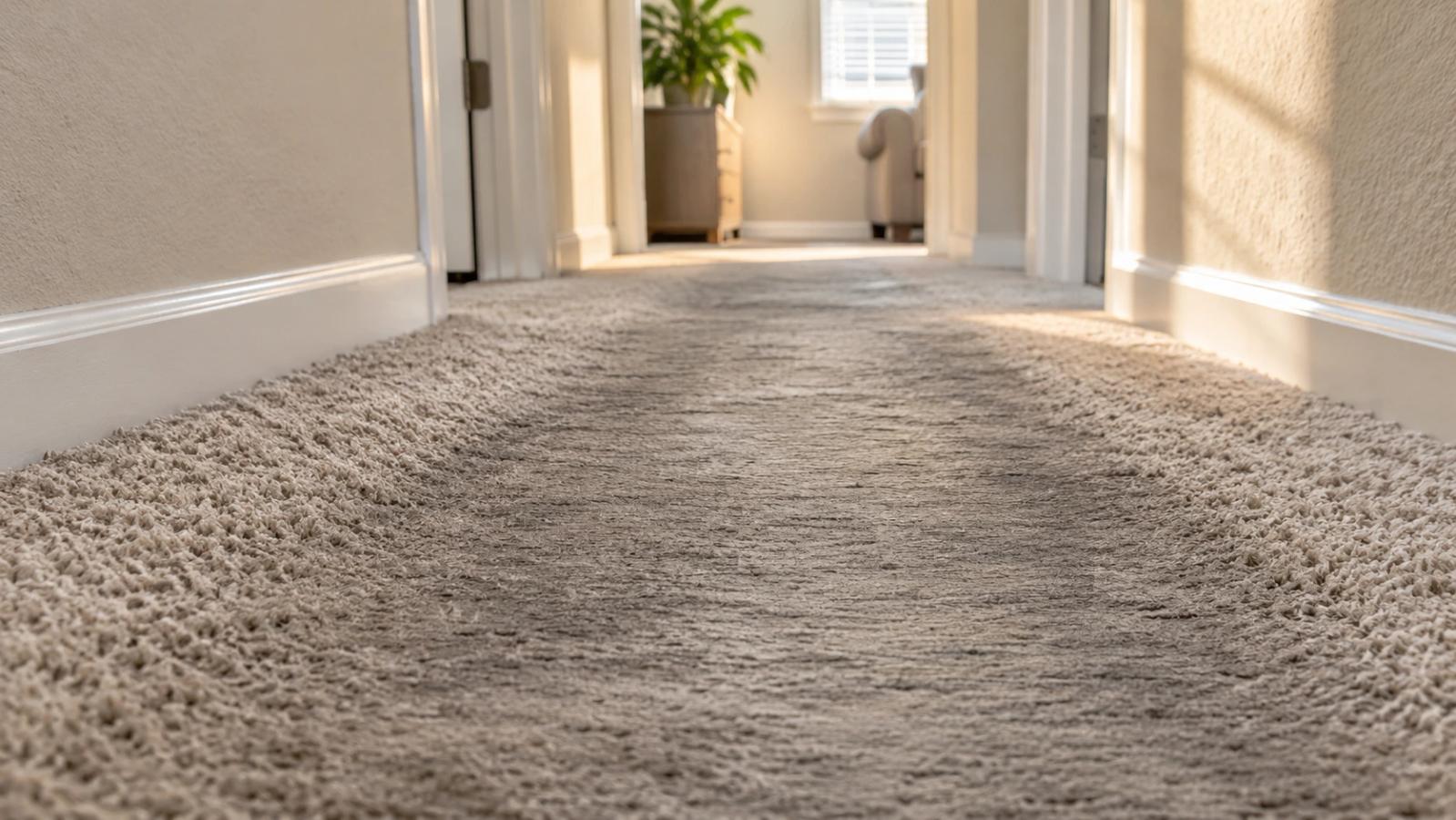
The pile stays crushed after cleaning. When traffic lanes still look flat and gray after a thorough cleaning, the yarn itself has worn down. Cleaning removes dirt. It can't rebuild yarn that years of wear and tear have ground away.
Odor keeps coming back. Pet urine that soaks through the backing into the carpet padding and subfloor can return after every cleaning, especially in warm, humid weather. Once that contamination reaches the pad across a large area, you're treating a symptom.
It feels wrong underfoot. Crunchy, lumpy, or hard spots usually mean the pad underneath has broken down.
Water sat too long. The EPA advises drying water-damaged areas and items within 24 to 48 hours to prevent mold growth, and notes that carpet may have to be thrown away once it becomes moldy. Carpet that stayed wet past that window, or carpet soaked by contaminated water, is often a replacement job.
The damage is everywhere at once. Three chewed doorways, several failing seams, and a bleached hallway may each be repairable. Added together, the damage is extensive enough that it's time to replace the carpet.
If yours isn't there yet, most people check the carpet's age next.
How Long Should Carpet Last Before You Replace It?
There's no single number that applies to your home. Carpet life depends on the fiber, the construction, the pad, the traffic it carries, and how it has been maintained. Different types of carpet wear at different rates.
That's why age alone is a weak reason to replace. A 20 or 30 year old carpet in a low-traffic room can still have dense pile and an even surface. Budget carpet in a busy family room can be finished in a handful of years.
Judge by condition instead, using the signs above. If the carpet passes them, its age doesn't force a decision. If it fails them, replacement is coming regardless of when it went in.
Is It Cheaper to Repair or Replace Carpet?
For contained damage, repair costs a fraction of replacement. You pay for skilled labor on one area, not for a room's worth of material, new pad, removal, disposal, and installation.
Two things change that math. The first is minimum charges. Professional repair isn't priced by the square inch, and Ardent has a $300 minimum service charge for any repair. A single small burn in a worn carpet you already plan to replace next year may not be worth fixing. The second is volume. When several rooms each need multiple repairs, the total starts closing in on the cost of replacing carpet outright.
The cheapest decision is the one that matches the carpet's remaining life. Repairing a carpet that's failing everywhere only delays a bill you'll pay anyway.
Is It Worth Cleaning Old Carpet Instead of Replacing It?
Often, yes, and it's the option most comparisons skip. A lot of carpet that looks ready for replacement is heavily soiled rather than worn out. Gray traffic lanes, dull color, and a stain that keeps resurfacing can all come from embedded soil and the residue left behind by previous cleanings.

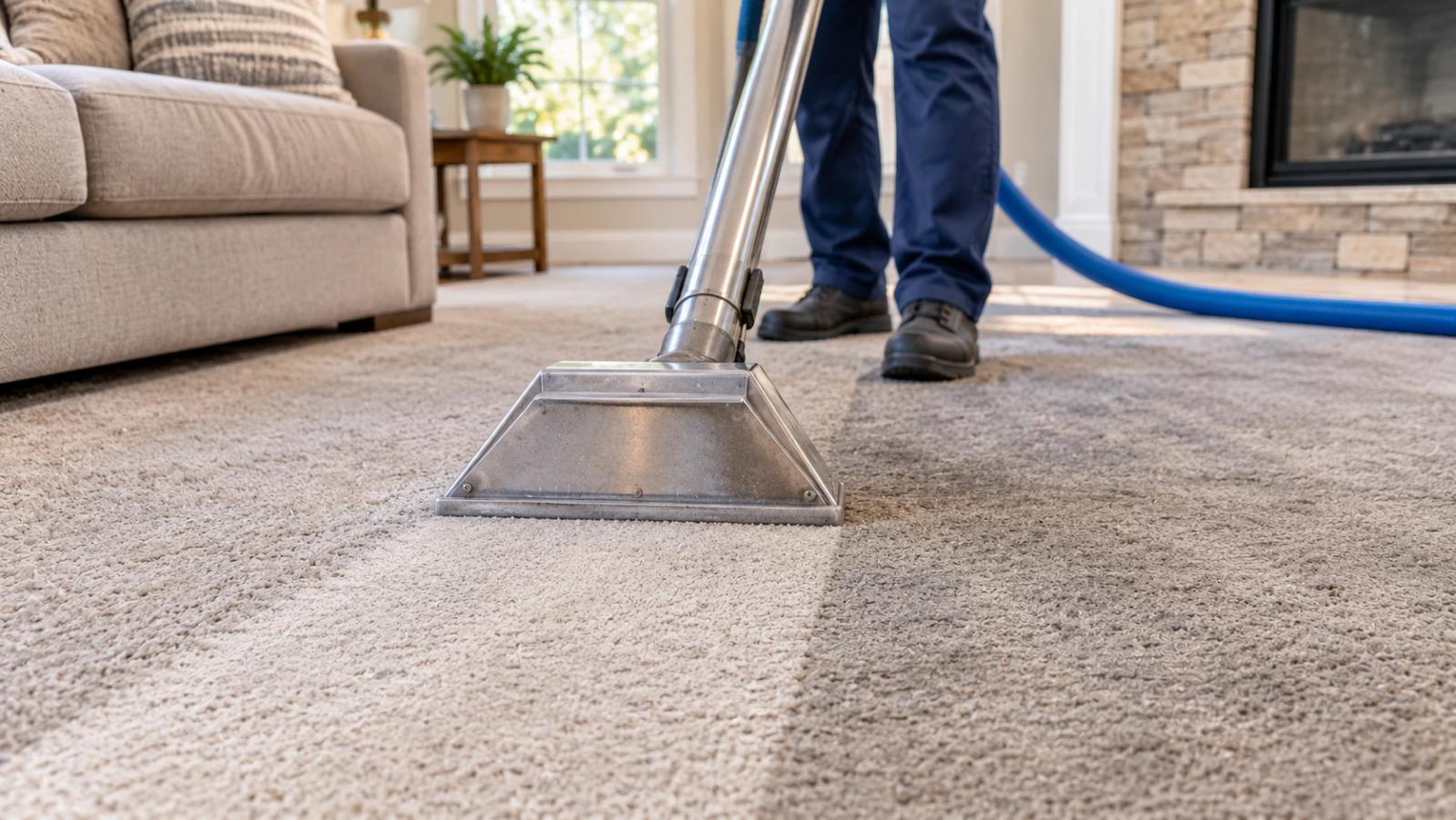
A thorough professional carpet cleaning tells you which situation you're in. If the pile lifts and the color comes back, the carpet had more life than it looked like it did, and a repair to any damaged spot finishes the job. If the lanes stay flat, you've confirmed the first replacement sign above, and you confirmed it before committing thousands to a replacement.
Should You Get a Carpet Inspection Before Replacing?
Most people get their answer from whoever shows up to look at the damage. If that person also sells carpet, the advice and the sales quote come from the same place. Sacramento homeowners on Reddit say much the same thing: the local carpet people they trust are the ones who patch the damage instead of pushing full replacement.
A credentialed assessment works differently. Vincent Adams, who owns Ardent Carpet Restore and performs every job himself, has spent more than 23 years in the industry. He is an IICRC Master Textile Cleaner and Senior Carpet Inspector, and holds IICRC certification in carpet repair and reinstallation. He looks at what failed: the yarn, the backing, the seams, or the pad. If the pad is gone, you need a carpet installer. If it isn't, you probably don't.
Inspection matters most with newer carpet. If carpet is wearing, losing texture, or failing well before it should, the cause may fall under the manufacturer's warranty. Ardent is certified to perform carpet inspections when a warranty claim is being made, so the bill may belong to the manufacturer.
If you need to know whether to repair the damaged carpet in front of you, a free in-home assessment gets you an answer based on what Vincent finds on your floor. Every repair carries a minimum one-year workmanship warranty, so if an insert lifts or a seam lets go, Vincent comes back and fixes it. Weekly openings are limited, so book your assessment before you sign off on a replacement.