




How Often Should You Clean Your Grout?


Clean your grout every week in the shower and kitchen, every few weeks in rooms that see less use, and deep clean it once a year. But if you already keep that schedule and your grout looks dingy again by midweek, cleaning more often won't fix it. The real culprit is usually what your grout is made of, whether it's sealed, or what you're cleaning it with, and no calendar can tell you which.
How Often Should You Clean Grout in Each Room?
Moisture, grease, and foot traffic decide how fast grout gets dirty. As Kathy Cohoon of Two Maids told Martha Stewart, the key is to adjust based on how dirty each room gets.
Clean Shower Grout Weekly and Scrub It Monthly
Your shower takes more punishment than any other grout in the house. Soap scum and hard water residue land on it every day, and the grout stays damp for hours afterward. Mold and mildew take hold in that damp, dirty grout.
Each week, spray the grout with a pH-neutral tile cleaner, work it in with a sponge or soft brush, and rinse. Once a month, go deeper with a grout brush and a paste of baking soda and water to lift what the weekly clean leaves behind.
The habit that saves you the most scrubbing happens after every shower. Run a squeegee down the shower walls and leave the exhaust fan on until the room dries out. Less standing water means slower buildup and fewer dark corners.
Clean Kitchen Grout Weekly If You Cook Often
Around the stove and sink, grease is the problem. It splatters onto the grout and holds onto dirt fast.
Make the floor and backsplash grout part of your weekly kitchen clean. Wipe up spills right away, especially acidic ones like tomato sauce, wine, or juice, before they soak in and leave a stain you'll be looking at for months.
Clean Entryway Floor Grout Every One to Two Weeks
Floor grout gets dirty from the top down. Every shoe that crosses the threshold grinds grit into the grout lines, and a wet mop on a gritty floor pushes that dirt deeper instead of lifting it.
Vacuum before you mop, and swap out your mop water as soon as it turns gray. Otherwise you're just spreading the entryway across the rest of the tile floor.
Clean Low-Traffic Room Grout Every Few Weeks
Guest bathrooms and laundry rooms collect dirt slowly. Check the grout whenever you clean the tile. If it's still the same color it was last month, you're on track.
How Often Should You Deep Clean Grout?
Once a year for most homes, which is the interval This Old House recommends.

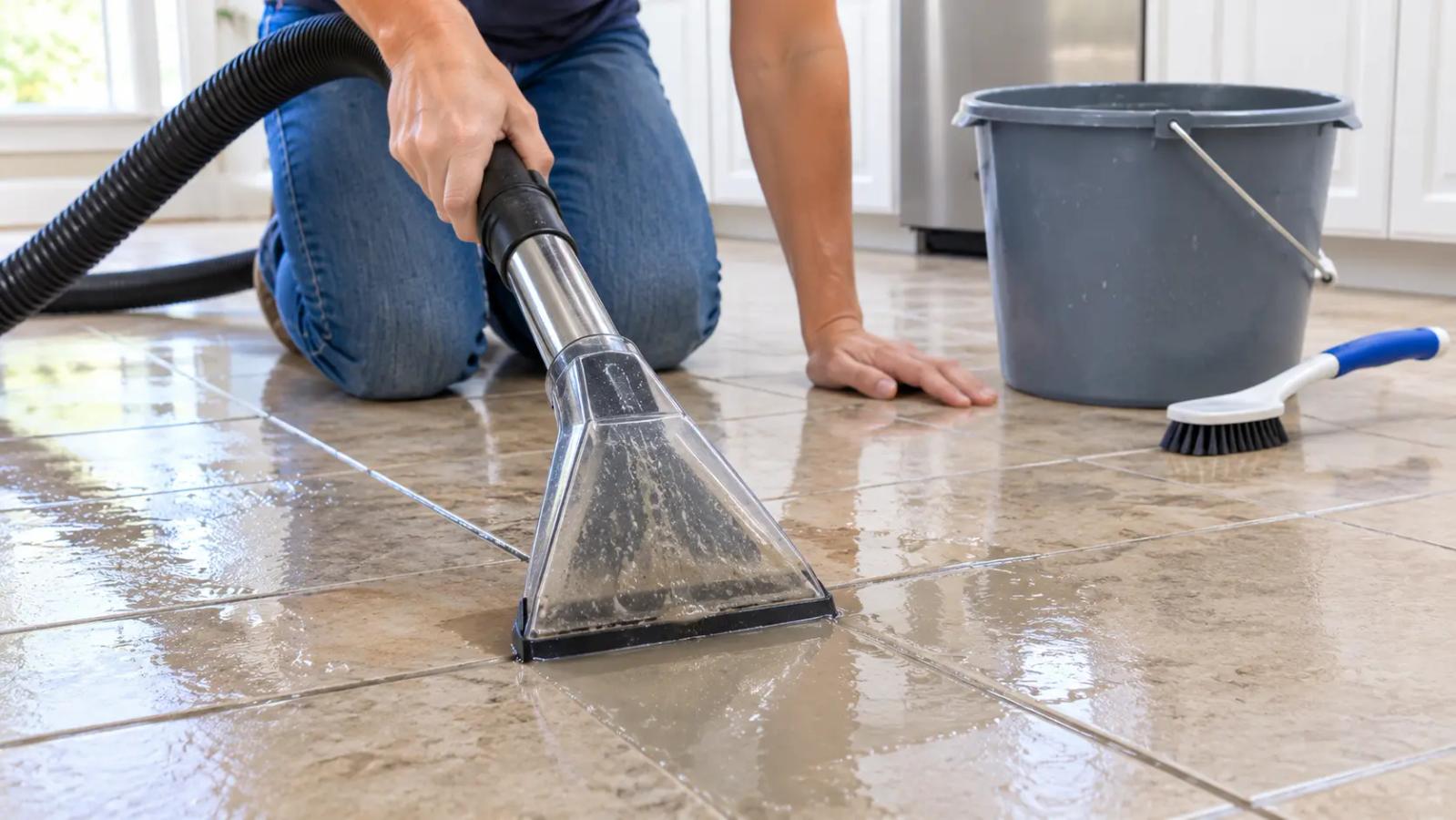
A deep clean does a different job from regular cleaning. Your weekly routine handles the tile surface and the top of the grout. The deep clean goes after the grime packed into the grout's pores, the real source of the discoloration.
Two things make it work. The first is chemistry. The Tile Council of North America (TCNA) recommends alkaline cleaning solutions over acidic ones, because cement grout dissolves in acid the same way baking soda fizzes in vinegar. Vinegar can make your grout look clean today by dissolving its surface, and TCNA warns that regrouting is sometimes the result.
The second is getting the dirty water out. According to TCNA, the most effective way to clean grout is to apply the cleaner, vacuum up the dirty water with a wet vac, then rinse and vacuum again. Scrubbing loosens dirt. Extraction removes it. Skip that step, and most of what you loosened dries right back into the grout.
Steam cleaning can help with stubborn stains that ignore ordinary cleaners. Go easy on stiff brushes, though.
Homes with pets, young kids, or a lot of cooking may need a second round each year. And if your grout looks dark again a few weeks after a deep clean, check the sealer before you reach for the brush.
Does Grout Type Affect How Often You Clean It?
Yes, and more than most people expect. The same weekly wipe can keep one grout looking new and leave another gray by Friday.
Traditional grout is a mix of sand and cement, and it's porous. Under a microscope, TCNA notes, cement grout has a huge surface area for stains to soak into. Unsealed grout absorbs water and grease every time they touch it, so it needs more frequent grout cleaning to hold its color.
Epoxy grout behaves almost like the tile itself. TCNA describes it as virtually as stain proof as the tile, and its sealing advice applies to regular grout, not epoxy. Regular cleaning keeps it looking good with little extra effort. If you're regrouting a shower anyway, it's worth considering.
Grout color plays a role too. White grout shows every stain, so it needs attention sooner. Dark grout hides the dirt, but it collects just as much.
That's why some people swear grout is impossible to keep clean and others barely think about it. Unsealed white grout in a shower is the hardest combination to keep clean.
How Often Should You Seal Grout?
Seal cement grout at least once or twice a year, as Martha Stewart's experts advise, with showers and busy floors at the more frequent end. This Old House adds that light-colored grout should be resealed at least once a year, not just after installation.

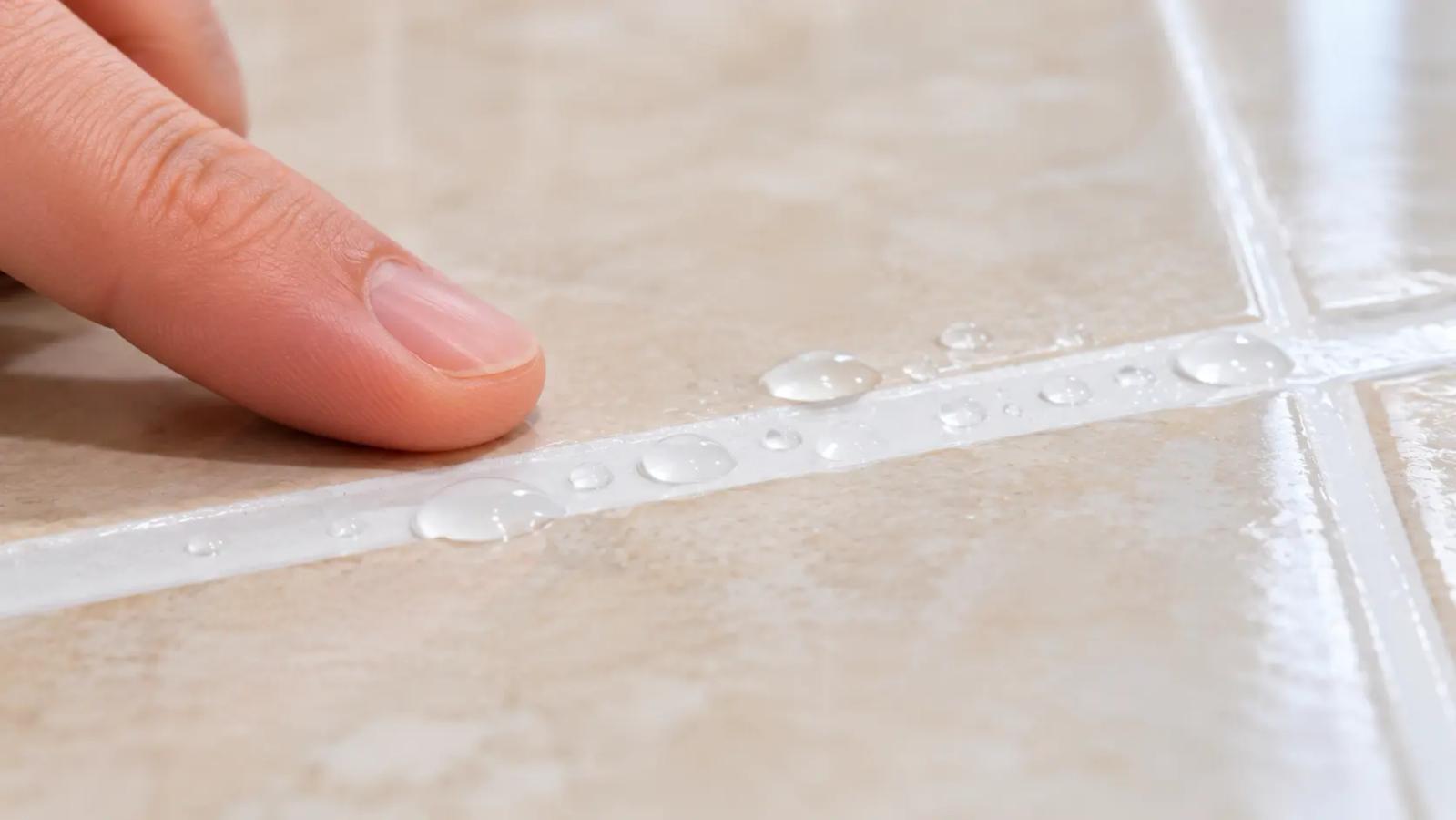
You don't have to guess when it's time. Sprinkle a few drops of water on clean, dry grout. If the water beads up, your grout sealer is still doing its job. If the grout darkens and soaks it in, it's time to reseal.
Always seal right after cleaning, never before. Wait at least 24 hours for the grout to dry completely, because a sealer applied over dirt or moisture locks it in.
This is the step that lets a quick weekly wipe keep your grout clean.
How Often Should Grout Be Professionally Cleaned?
There's no fixed number that fits every floor, so let your own yearly scrub tell you. When a full afternoon of scrubbing no longer brings the grout color back, the dirt has gone deeper than home tools can reach.
That's when a professional cleaning makes sense. It works on the same principle TCNA describes, cleaner in and dirty water out, with far more power than a wet vac. At Ardent Carpet Restore, Vincent Adams is IICRC certified in Stone, Masonry, and Ceramic Tile Cleaning. That training matters most on stone tiles like travertine and marble, where the wrong cleaner can damage the surface permanently.
How Often Does Grout Need Replacing?
Only when it fails. Cleaning removes dirt, but it can't rebuild grout that's cracked, crumbling, or missing. Those are signs your grout needs repair or regrouting. In a shower, don't wait. Cracked grout lets water get behind the tile, where you can't see the damage it does.

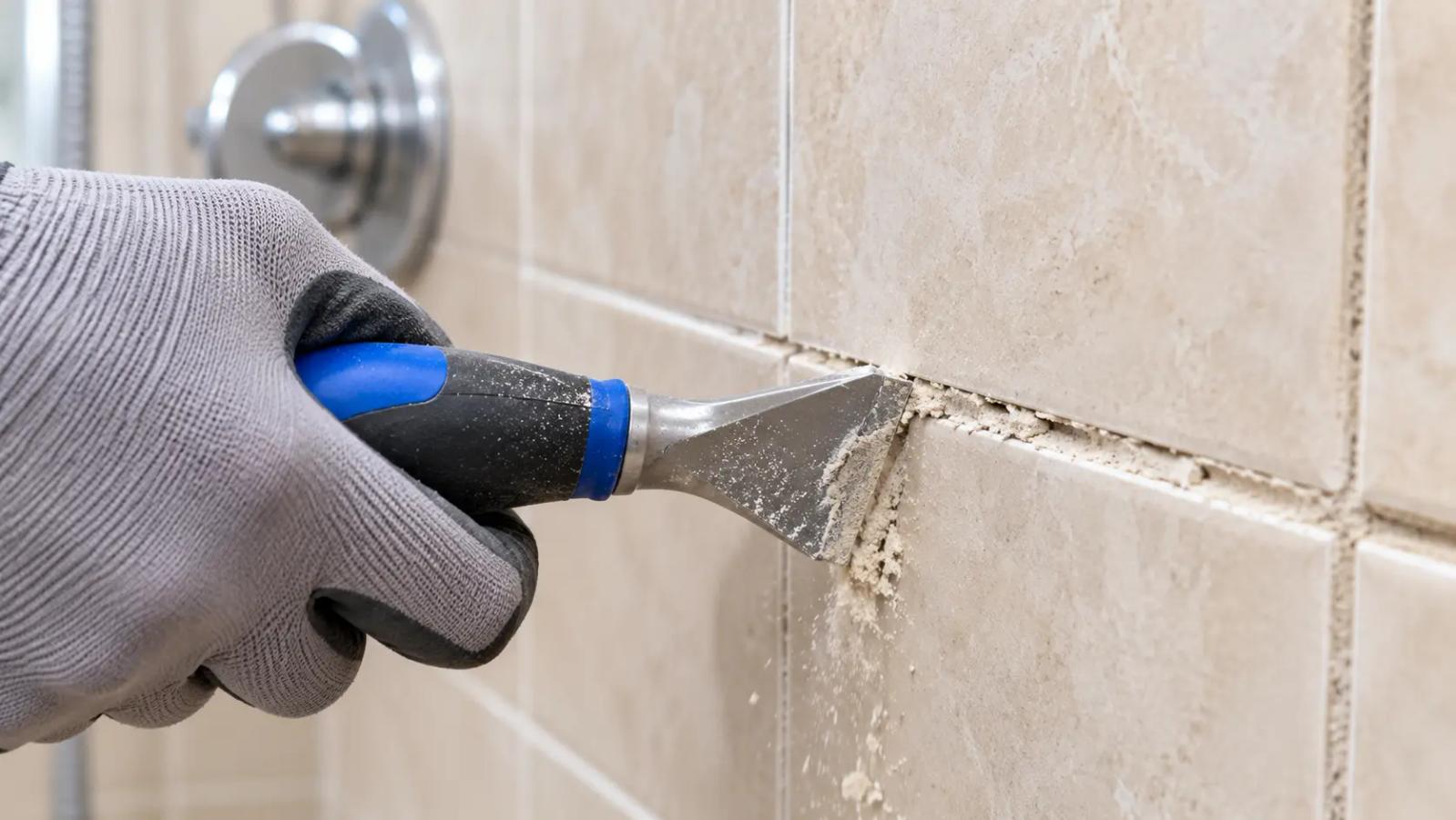
TCNA points out that you generally can't grout over old grout. The old grout has to be cut out first, carefully, so the tile isn't damaged or loosened.
If the grout is solid but stained beyond what cleaning can reach, grout recoloring is a middle option. A colored sealant goes over clean grout and gives you an even color without tearing anything out.
Need Grout Cleaning in Sacramento?
If you live in greater Sacramento and your grout is still dark after a deep clean and fresh sealer, it's time for someone who cleans tile for a living to take a look.
Vincent has served Sacramento homeowners for more than 23 years. He handles every tile and grout cleaning job himself, and you can get a rough quote by email, text, or through the client portal before booking a visit. Tell him what you're seeing, and you'll know whether your floor needs a professional clean or just a fresh coat of sealer.