




How Much Does Upholstery Cleaning Cost in Sacramento?

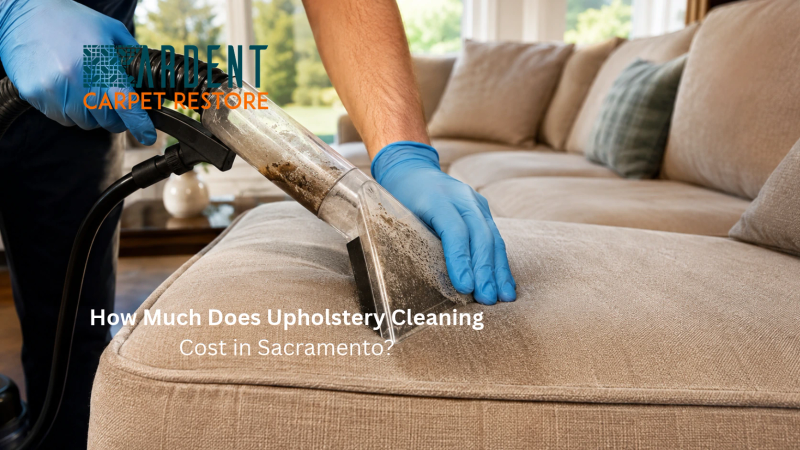
Upholstery cleaning cost in Sacramento runs from around $190 for a loveseat to $800 or more for a large sectional, with most three-seat couches landing near $266 and a $300 minimum on any visit once you account for the labor of moving and prepping furniture. That's noticeably higher than the $99-loveseat ads you'll see around town, and the gap isn't padding.
It's the difference between a technician who shows up with a small portable rig and one who shows up with the equipment to actually pull the soil out instead of just rearranging it deeper into the cushion.
What Affects Upholstery Cleaning Cost?
Every upholstery cleaning quote is built from four variables, and once you know them, a quote stops feeling like a guess and starts feeling like arithmetic.
The type of fabric affects the final price more than anything else. Cotton and synthetic blends clean quickly with water-based methods. Silk, wool, and some velvets can't tolerate the same process without risking shrinkage or water rings, so they require a slower, more specialized cleaning solution and technique.
Size and piece count come next. A loveseat costs less than a sectional for the obvious reason that there's more surface area to treat. Cleaning multiple pieces of furniture in one visit usually brings the per-piece cost down, since the technician is already on site with the machine set up.
A couch that gets normal use only needs one pass. Three years of pet hair, spills, and body oil is a different job entirely: pre-treatment, agitation, and sometimes a second extraction pass just to pull out what the first one loosened.
Then there's the machine doing the work.
The Fabric Code Nobody Explains
Flip over a cushion and you'll usually find a small tag with a letter on it: W, S, WS, or X. Almost nobody outside the trade knows what these mean, and almost no upholstery cleaner bothers to explain them, which is strange, because they're the reason your quote looks the way it does.
| Code | What It Means | Why It Matters | |
|---|---|---|---|
W | Water-based solution is safe | The most common code, and typically the least expensive to clean | |
S | Only a solvent-based, dry-cleaning approach is safe | Water can cause shrinking, staining, or permanent discoloration | |
WS | Either method works | Gives the cleaner more flexibility depending on the stain | |
X | No wet or solvent cleaning at all | Vacuum or brush only. This is the one that should make you slow down and call a professional |
Leather furniture sits in its own category entirely. Leather gets conditioned and treated rather than cleaned in the fabric sense, and the process for antique furniture or delicate leather adds time a standard sofa cleaning never needs.

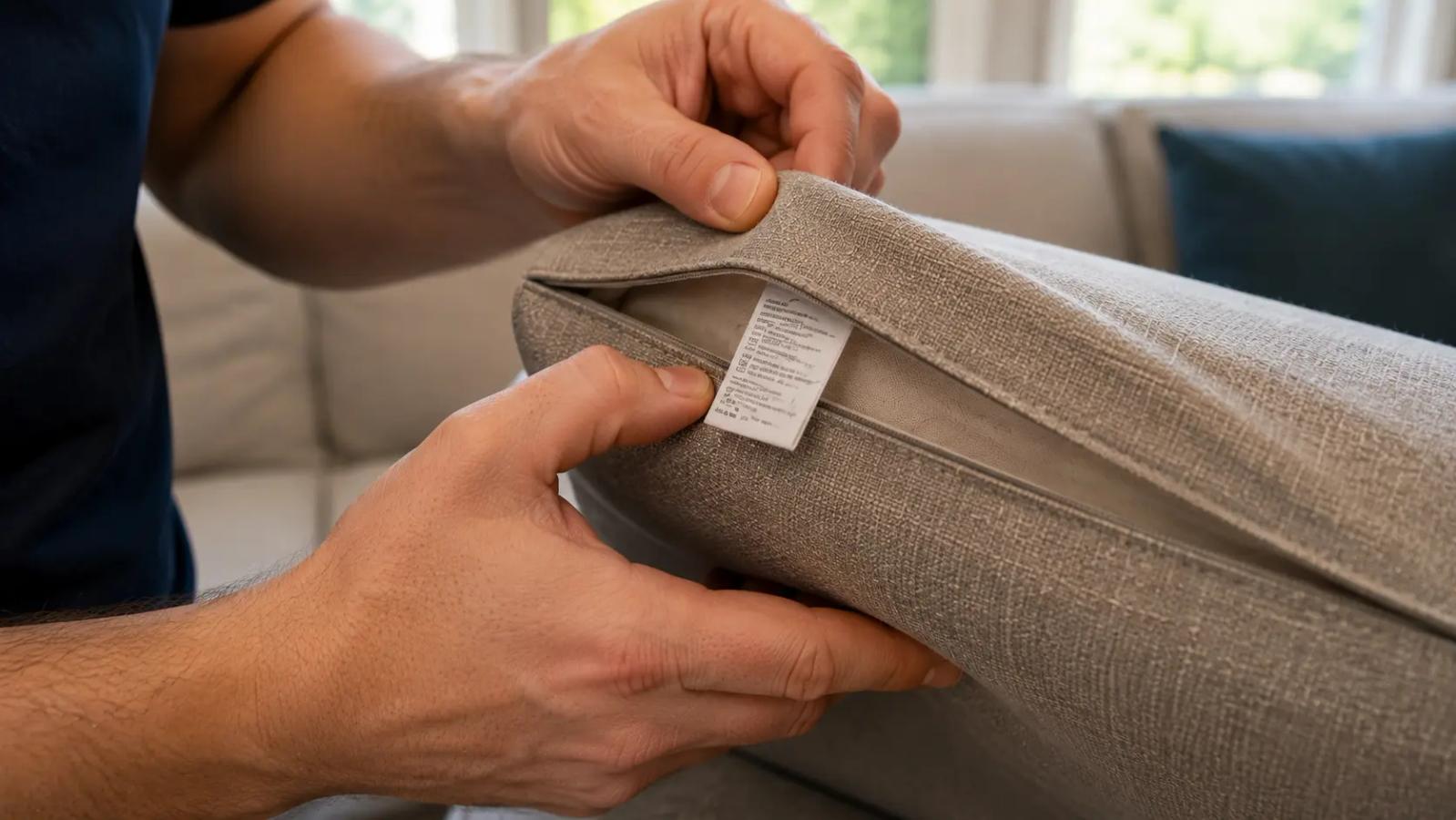
This is the kind of nuance that separates a technician reading a tag from one who actually understands textile chemistry, which is a meaningful difference when it's your furniture on the line.
Steam Cleaning vs. Portable Machines
This is the part almost every cost guide skips, and it's the part that actually explains why quotes vary so much for what sounds like the same job.
Hot water extraction, often called steam cleaning, uses a truck-mounted machine that generates far higher water temperature and suction than a portable rental unit can produce. The heat breaks down oils and embedded grime that cold or lukewarm water can't touch, and the suction pulls both the cleaning solution and the loosened dirt back out of the fabric. Done properly, the piece dries within a few hours instead of staying damp for a full day. It's the same principle that decides how long carpet takes to dry after cleaning: more suction pulls out more water, which means less time waiting either way.
A portable machine, the kind you can rent at a hardware store or that a lower-cost cleaner uses to avoid the cost of a truck-mount rig, runs cooler and pulls less moisture back out. The couch looks clean when the technician leaves. Underneath, not so much. Less soil actually left the fibers, and more moisture stayed behind, which is exactly the condition that lets odor and mildew develop days later.
That's the real reason a $60 quote and a $175 quote aren't the same service, even though they're both technically "upholstery cleaning." One removes what caused the stain. The other rearranges it.
How Sacramento's Water and Climate Affect Upholstery Cleaning
Local conditions change the starting point more than most homeowners expect. Sacramento's hard water leaves mineral deposits behind if the rinse and extraction step isn't thorough, which is one more reason a weaker machine leaves furniture looking duller faster. Wildfire season adds a layer of fine particulate dust that settles into upholstery fibers even in homes that stay closed up, and it behaves differently than ordinary household dust when it comes to extraction.

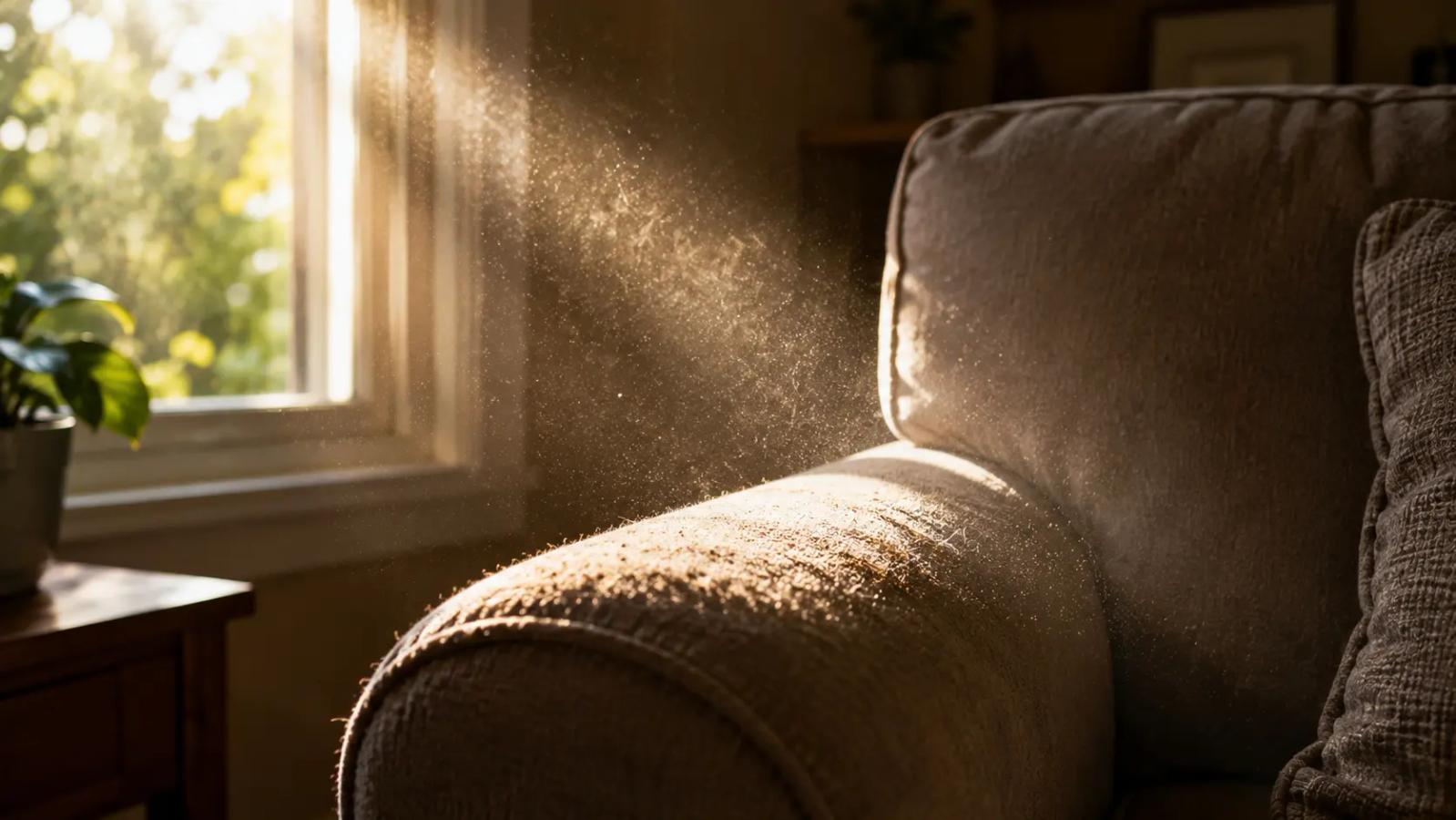
Add a dog or two shedding into the same cushions, and what looked like a simple sofa cleaning job on the phone often turns out to need real pre-treatment once the technician actually inspects the fabric.
That inspection step is worth insisting on before you book. A cleaner who quotes a flat number without ever seeing the piece of furniture is quoting blind.
What's Included, and What Costs Extra
Most upholstery is priced by linear foot rather than a flat per-piece rate, since a couch and a sectional aren't remotely the same job even when they're both called "sofas." The minimum service call factors in here too. Anything under roughly $300 rarely covers the real time on site once you count moving furniture into place and prepping it properly, which is a big part of why a rock-bottom quote over the phone tends not to survive contact with the actual furniture. A standard quote generally covers inspection, pre-treatment, extraction or the appropriate dry-cleaning method, and general spot removal.

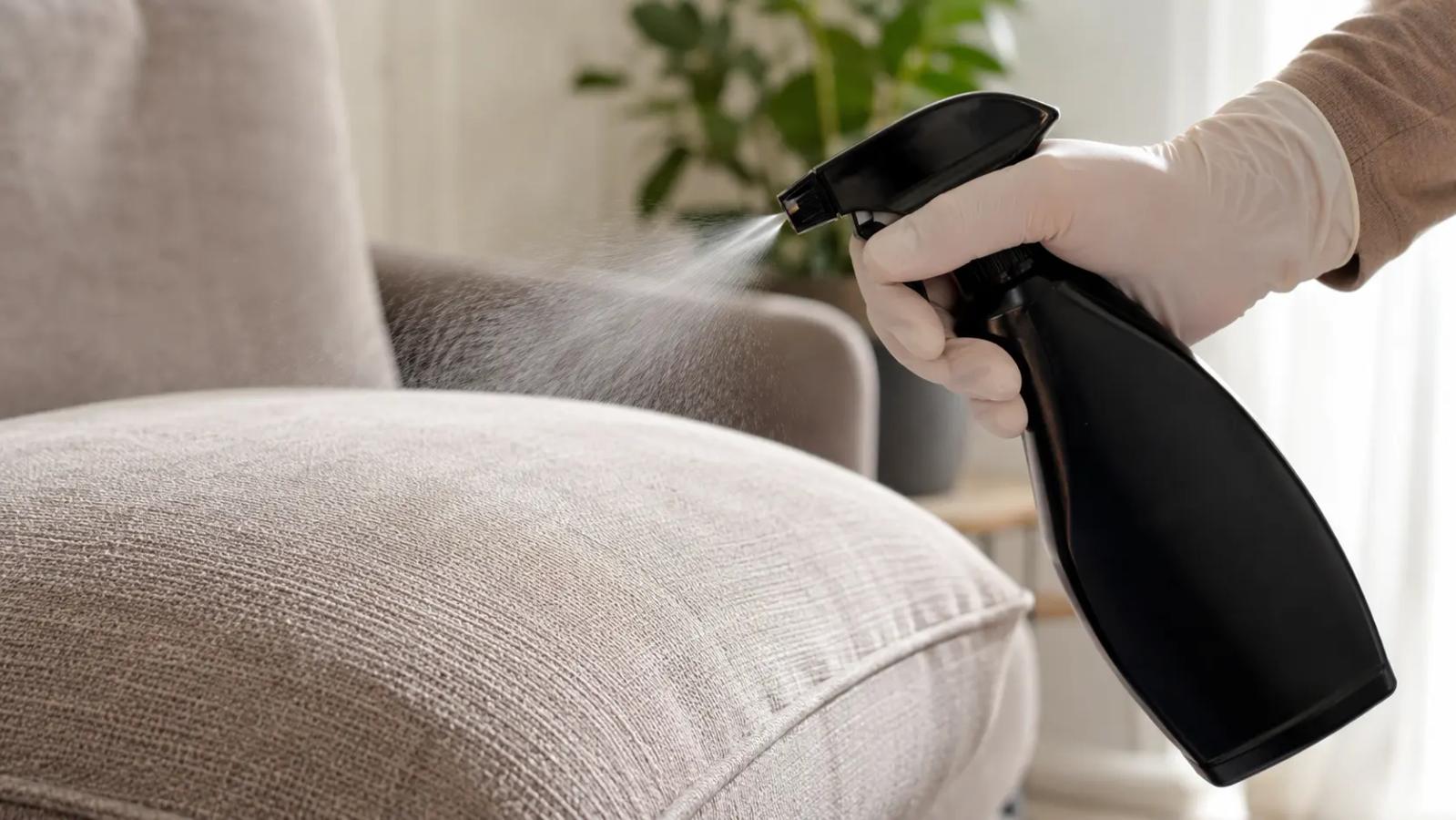
A few things typically sit outside that baseline and get added as needed:
- Heavy stain correction, for anything beyond routine soiling
- Pet odor and decontamination treatment
- Fabric protector application, to extend the life of the piece after cleaning
- Rug cleaning or area rugs cleaned alongside furniture in the same visit
These are separate line items because they're separate amounts of work, and a cleaner who bundles everything into one flat number regardless of condition is usually cutting corners somewhere to make the math work.
Why the Cheapest Quote Rarely Stays Cheap
Here's the part worth sitting with before you book based on price alone. Hiring a professional to clean upholstery isn't really about the cleaning process itself. It's about extending the life of furniture you'd otherwise have to replace. A sectional that costs $2,000 to $4,000 new is worth a proper cleaning company's full attention, not the fastest, cheapest pass available.
The lowest quote in your inbox usually means one of two things: a portable machine standing in for a truck-mount, or a technician working fast enough that soil level and fabric type barely factor into the process at all. Either way, you tend to be back on the phone in six months, no further ahead than when you started.
A cleaner who's earned an IICRC Master designation isn't pricing the same job as someone running a weekend side business with a rented machine. That's not a sales pitch. It's the reason a five-year-old sectional can still look presentable instead of getting hauled to the curb.
If you're weighing a quote right now, the more useful comparison isn't the number on the phone. It's whether the person quoting it actually looked at the furniture first.
Get a Free Upholstery Cleaning Assessment in Sacramento
Before you book anything based on a number over the phone, get someone to actually look at the furniture first. Ardent Carpet Restore's upholstery cleaning service inspects the fabric, checks the tag, and quotes the job in person, free of charge, so the number you get matches the furniture actually sitting in your living room.