




What Is Hot Water Extraction Carpet Cleaning?


Hot water extraction carpet cleaning is a professional cleaning method that injects heated water and a cleaning solution deep into carpet fibers, then vacuums it straight back out with the loosened dirt. Most people call it steam cleaning, even though hot liquid water does all the work. And the name isn't the only thing people get wrong. Most assume the method decides the result, but the same machine can leave one carpet soft and dry by dinner and another soaked, crunchy, and gray again within two weeks.
The difference is everything around the rinse. How much water goes in. How much comes back out. Whether the person holding the wand knows which fibers can take the heat.
How Does Hot Water Extraction Work?
A good carpet cleaning process wraps several steps around the rinse. Here's how it runs on a professional job, using the same sequence Ardent follows in Sacramento homes.
Dry soil removal. Most household soil is dry: sand, grit, and dust tracked in from outside. It comes out with a thorough vacuum first, ideally a commercial vacuum cleaner with HEPA filtration. Skip this step and the first splash of water turns that dry soil into mud.
Pre-conditioning. A cleaning solution goes down on traffic lanes and heavily soiled areas and sits for a few minutes. The chemistry does much of the work here. It breaks down oily soil so the rinse can carry it away. It makes a measurable difference: in CRI lab testing, pre-spraying before the hot water rinse improved soil removal by an average of 16.3%, compared with just 4.6% when detergent was only added to the machine's tank. In your hallway, that's the difference between a traffic lane that comes up clean and one that stays faintly gray.
Agitation. Brushing or a mechanical groomer works the solution into the fibers of a carpet so it reaches soil that spraying alone can't.
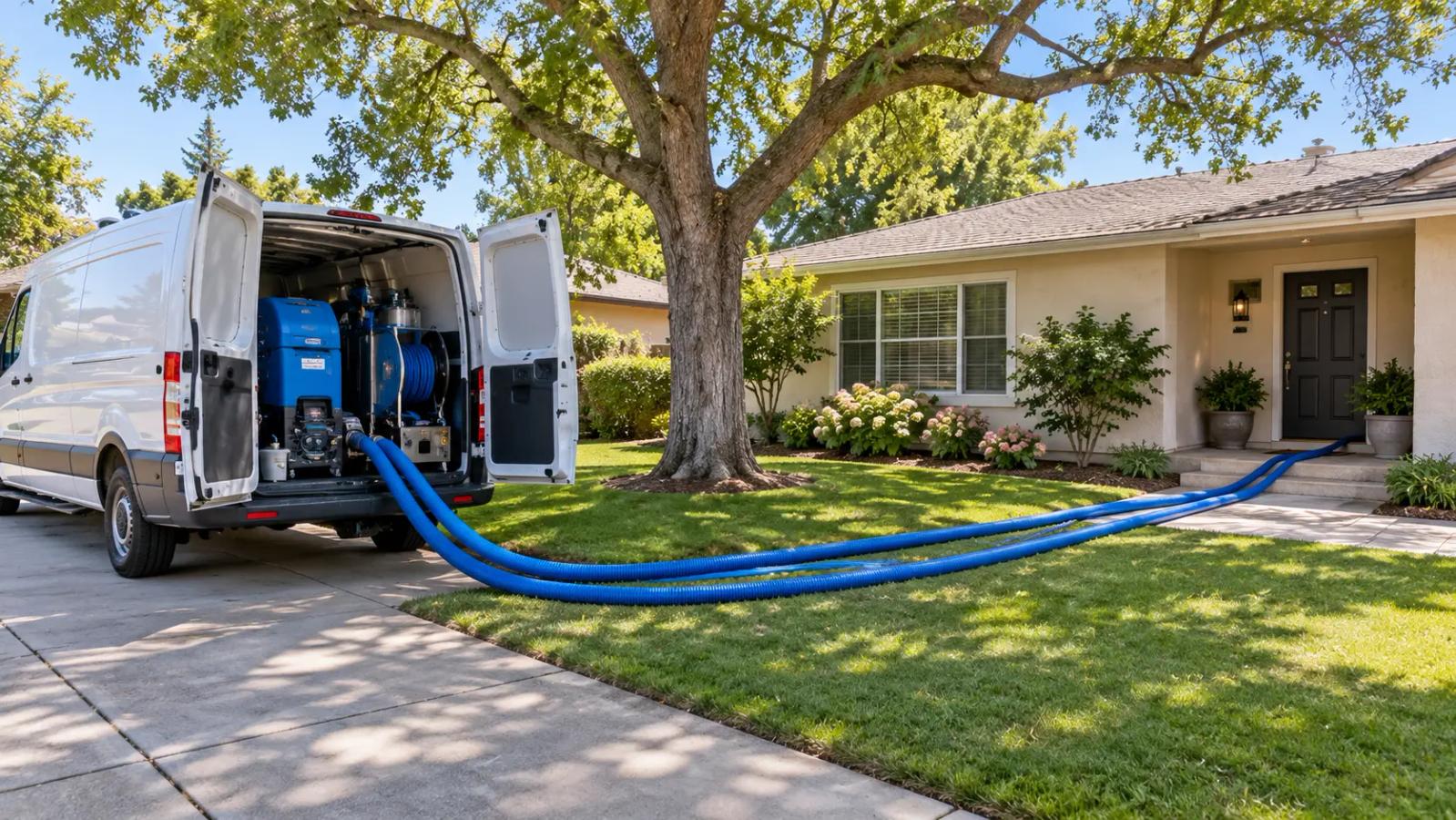
Rinse and extraction. This is the hot water extraction method itself. A wand delivers high-pressure hot water into the carpet and extracts the water in the same pass. The dirty water travels through the hose into a waste tank, which answers the question most homeowners ask while watching the job: the dirt leaves your house. On truck-mounted equipment, that tank sits outside in the truck.
Extra drying. Additional dry passes with the wand, plus air movers when the room needs them, pull out more moisture.
Grooming. The pile gets set in one direction so it dries evenly and stands up instead of matting.
Professionals describe the balance behind all of this with four factors: time, agitation, chemistry, and temperature. Turn one down and another has to make up for it. Heat helps the detergent work faster, which is why this method relies on heated water rather than cold.
Some professionals also finish with a neutralizing rinse. It brings the carpet back toward a neutral pH after alkaline cleaners, which helps prevent browning and leaves the fibers softer to the touch.
So if the machine uses hot water and not vapor, where does the steam name come from?
Is Hot Water Extraction the Same as Steam Cleaning?
No. Hot water extraction is often referred to as steam cleaning, and plenty of companies market it that way, but the two are different machines doing different jobs.

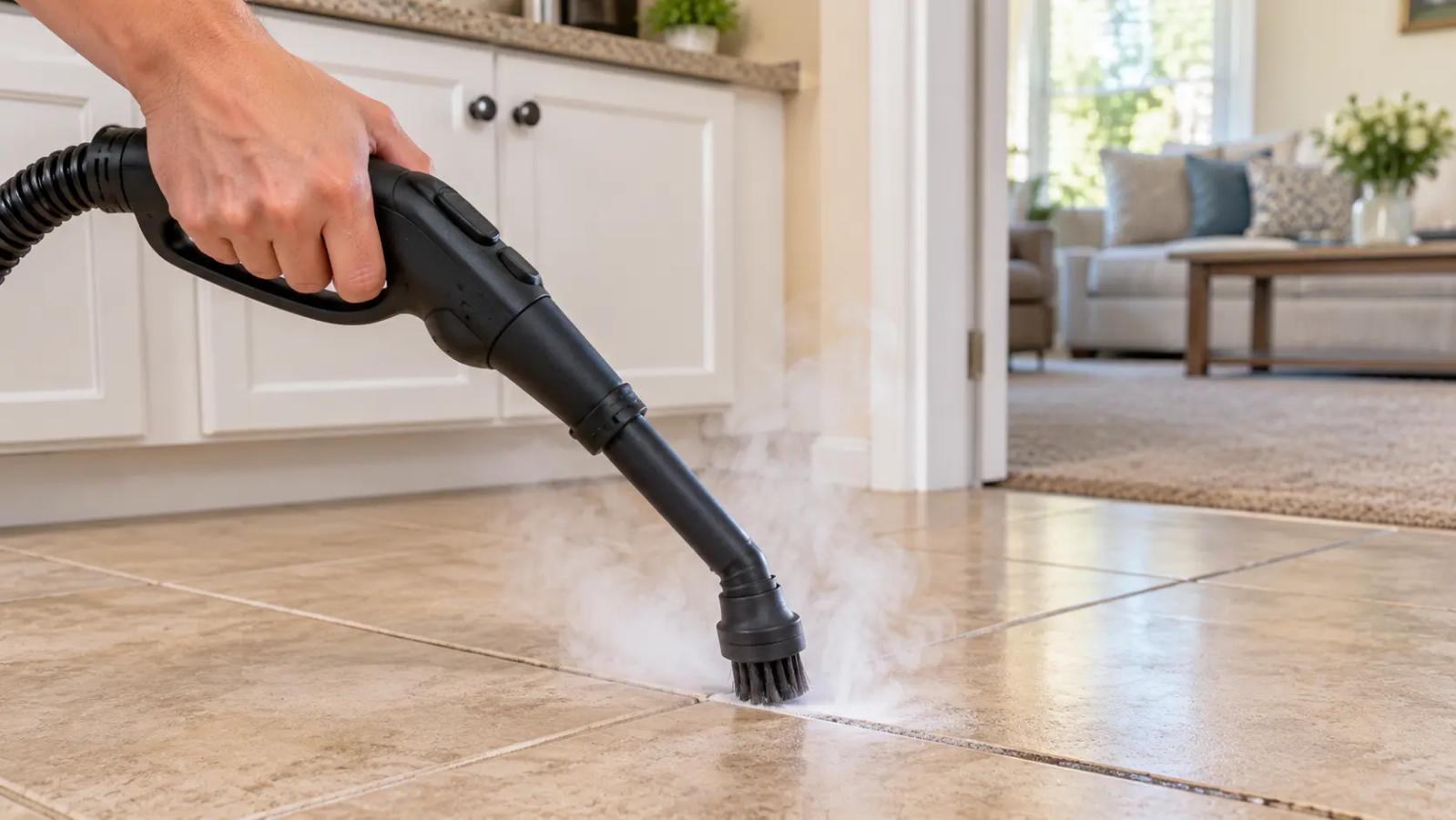
True steam cleaning uses water heated past boiling into vapor. Because steam cleaning typically uses so little water, a vapor steam cleaner has nothing to extract. It's built to sanitize and loosen grime on hard surfaces like tile, sealed stone, countertops, and bathroom fixtures. Extraction uses liquid water rather than vapor. You might see a little steam rising off the wand, but the cleaning comes from water rinsing through the carpet and being pulled back out.
The label stuck in everyday speech. Ardent calls its process water-rinse extraction, formerly known as hot water extraction.
| Water extraction | True steam | ||
|---|---|---|---|
What does the cleaning | Hot liquid water and detergent | Water vapor | |
Removes dirt from the carpet | Yes, rinses and extracts it | No, nothing is extracted | |
Best for | Carpet, rugs, and upholstery | Tile, grout, and other hard surfaces | |
Drying time | Typically 6 to 12 hours | Very fast |
In the steam cleaning vs hot water debate, there's no real contest for carpet. On hard floors, the advantage flips, which is why grout cleaning on a kitchen floor calls for different tools than a bedroom carpet.
Is Hot Water Extraction Good for Your Carpet?
Yes. For most residential carpet, nothing else reaches the soil sitting at the base of the pile.
The benefits of hot water extraction come down to what the rinse removes. Vacuuming handles loose dirt at the surface, but soil works its way down to the base of the pile over time. That's what turns a hallway traffic lane gray even when you vacuum it twice a week. A deep extraction reaches that layer and flushes it out, along with the dust, dander, and allergens trapped below the surface.
Residue is the other half of the story. Any method that leaves detergent behind creates a sticky film, and that film grabs new dirt from every pair of socks that crosses it. A proper rinse pulls the cleaning solution out with the soil, so the fibers stay clean for months instead of weeks.
There's also a longer payoff. Grit acts like sandpaper at the base of the fibers, and every footstep wears them down. Removing it on a regular schedule is how a floor makes it to the end of its expected life instead of looking tired years early.
That's why carpet manufacturers recommend it, and why warranties care. CRI, the Carpet and Rug Institute, recommends professional cleaning every 12 to 18 months and notes that Seal of Approval certified cleaners are recommended, and sometimes required, by the manufacturer. Check your manufacturer's carpet care guide before you book, and keep your cleaning receipts in case you ever need to make a claim.
What Are the Disadvantages of Hot Water Extraction?
Hot water extraction has a few real drawbacks, and you should know them before anyone brings a wand into your house.

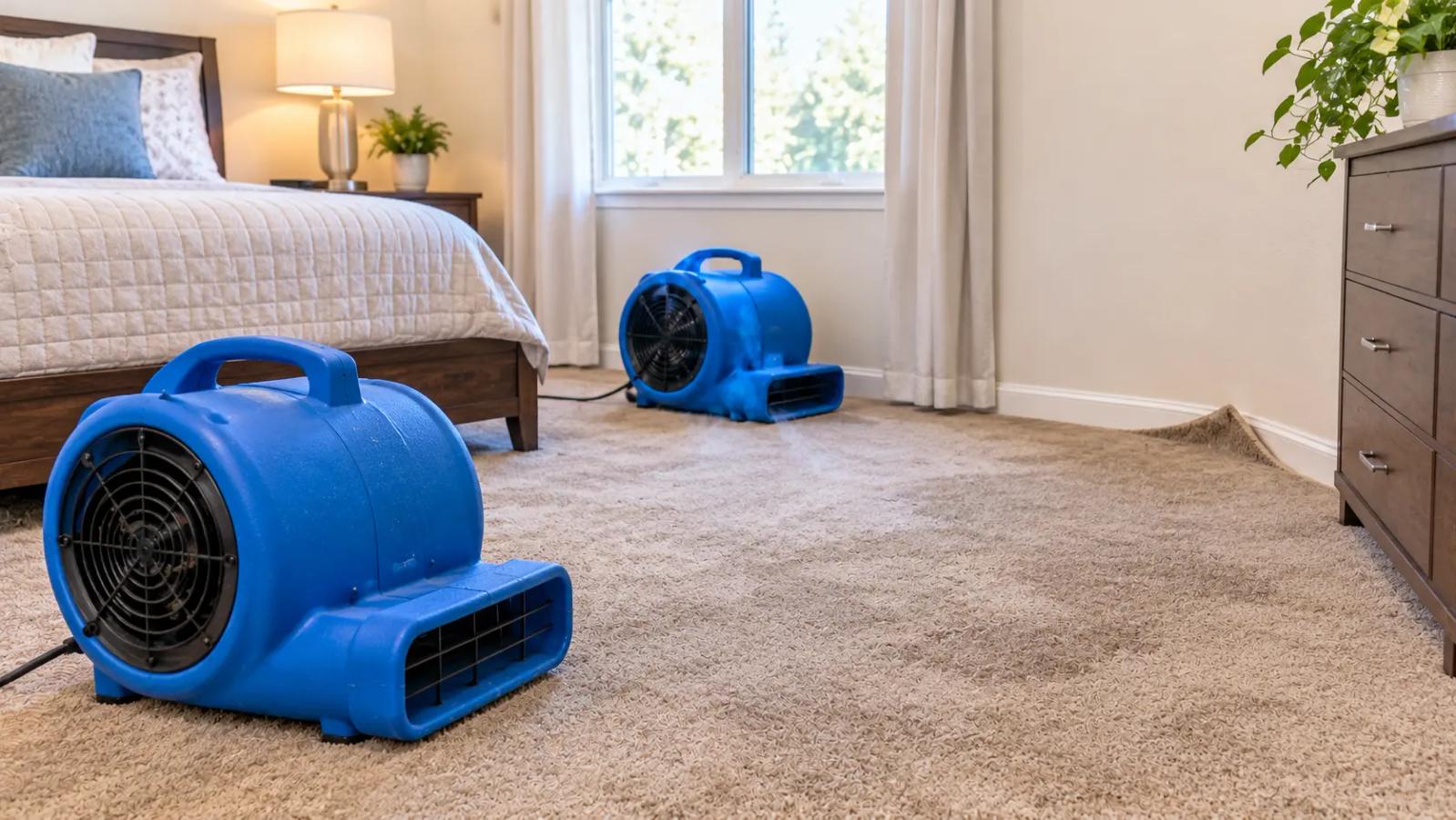
Start with drying time. This method leaves carpet damp longer than low-moisture options, and how long carpet takes to dry varies from job to job. Typically it's 6 to 12 hours, up to 24 with heavy soiling, dense padding, or high humidity. Damp is normal after extraction. Soaked is not.
Overwetting is the serious one. When too much water goes in or not enough comes back out, moisture reaches the pad and backing. That can lead to odors, buckling, backing separation, and mold. The EPA advises drying wet materials within 24 to 48 hours to prevent mold growth, so a carpet still wet the next evening is a warning sign.
Then there's fiber sensitivity. Wool, sisal, jute, and silk don't respond to heat, moisture, and strong detergents the way nylon and polyester do. Pushed too hard, they can shrink, distort, or brown. Some need a cooler rinse and gentler chemistry. A few need a different method altogether.
Residue makes the list too, but only when the rinse is rushed. And the equipment itself is a commitment: truck-mounted units run hoses through your door.
Read that list again and notice the pattern. Almost every downside is an operator problem, not a method problem, which is the misconception from the top of this article. It comes down to who's running the machine, and whether they identified your type of carpet before they started.
That's why a cheap three-room special that leaves carpet soaked, or gray again in two weeks, costs more than it looks. You end up paying for the clean twice. Before you book anyone, ask whether the technician holds IICRC certification.
So is another method better?
What Is the Most Effective Carpet Cleaning Method?
For a true deep clean of residential carpet, hot water extraction. Carpet makers agree: Interface, the commercial carpet tile manufacturer, calls it the most effective method and the only restorative method it recommends. The other common carpet cleaning methods each solve a narrower problem.

Carpet shampooing scrubs a foaming detergent into the pile. It loosens soil, but the foam is hard to remove completely, and the leftover residue attracts new dirt. That's the usual reason a carpet looks dirtier a few weeks after shampooing than it did before.
In bonnet cleaning, a spinning pad absorbs soil from the top of the fibers. It's fast and it brightens the surface, but it never reaches the base of the pile. Interface's maintenance guide goes further. It warns that bonnet or other rotary machine cleaning is not recommended and may void all warranties.
Encapsulation applies a low-moisture solution that wraps around soil so it can be vacuumed away once dry. It dries quickly and works well for routine maintenance, which is why it shows up so often in commercial carpet cleaning, where an office can't close for the day. On heavily soiled carpet, it falls short.
For dry carpet cleaning, an absorbent compound gets worked into the pile and then removed. Dry times are short, but so is the reach. Use it for touch-ups between visits.
People often ask whether steam or chemical cleaning is better. Every method uses chemistry. Extraction is the one that rinses it back out.
For many commercial spaces, the smartest program combines both: low-moisture cleaning between visits and a full extraction a few times a year. For a home with traffic lanes, pets, or carpet that hasn't been professionally cleaned in a year or more, use hot water extraction.
Common Questions About Hot Water Extraction
Hiring a Hot Water Extraction Carpet Cleaner in Sacramento
If vacuuming no longer touches the gray lanes in your hallway, or it's been more than a year since your carpet's last professional clean, it's due.
At Ardent Carpet Restore, every job is done by owner Vincent Adams, a Master Textile Cleaner, Master Fire & Smoke Restorer, and practicing Senior Carpet Inspector with more than 23 years in the trade. There are no subcontractors and no rotating crews, which is part of why Ardent holds a 5.0 Google rating and an A+ rating with the BBB. Vincent identifies your carpet's fiber and condition first, then sets the water temperature, chemistry, and number of dry passes to match it, using truck-mounted water-rinse extraction.
Every job starts with a free in-home assessment, so you know exactly what your carpet needs before any work begins. Because Vincent is the only technician, weekly openings are limited, and booking ahead is the surest way to get the date you want.
Your free in-home assessment comes first: one visit to find out what clean carpet feels like, all the way down to the base of the pile.