




Why Upholstery Cleaning Is Important for Your Furniture

Upholstery cleaning is important because the soil in fabric furniture does damage you can't see. Dust, body oils and pollen settle into the fibers and wear the fabric down. They feed odors, and they puff back into the room every time someone sits. Cleaning removes that soil, but timing matters. By the time a couch looks dirty, some of the wear is already permanent and no cleaning will bring it back.
Most people asking why upholstery cleaning is important are looking at a couch that seems fine.
What Builds Up in Upholstery Fabric?
Three kinds of soil collect in a sofa or chair.

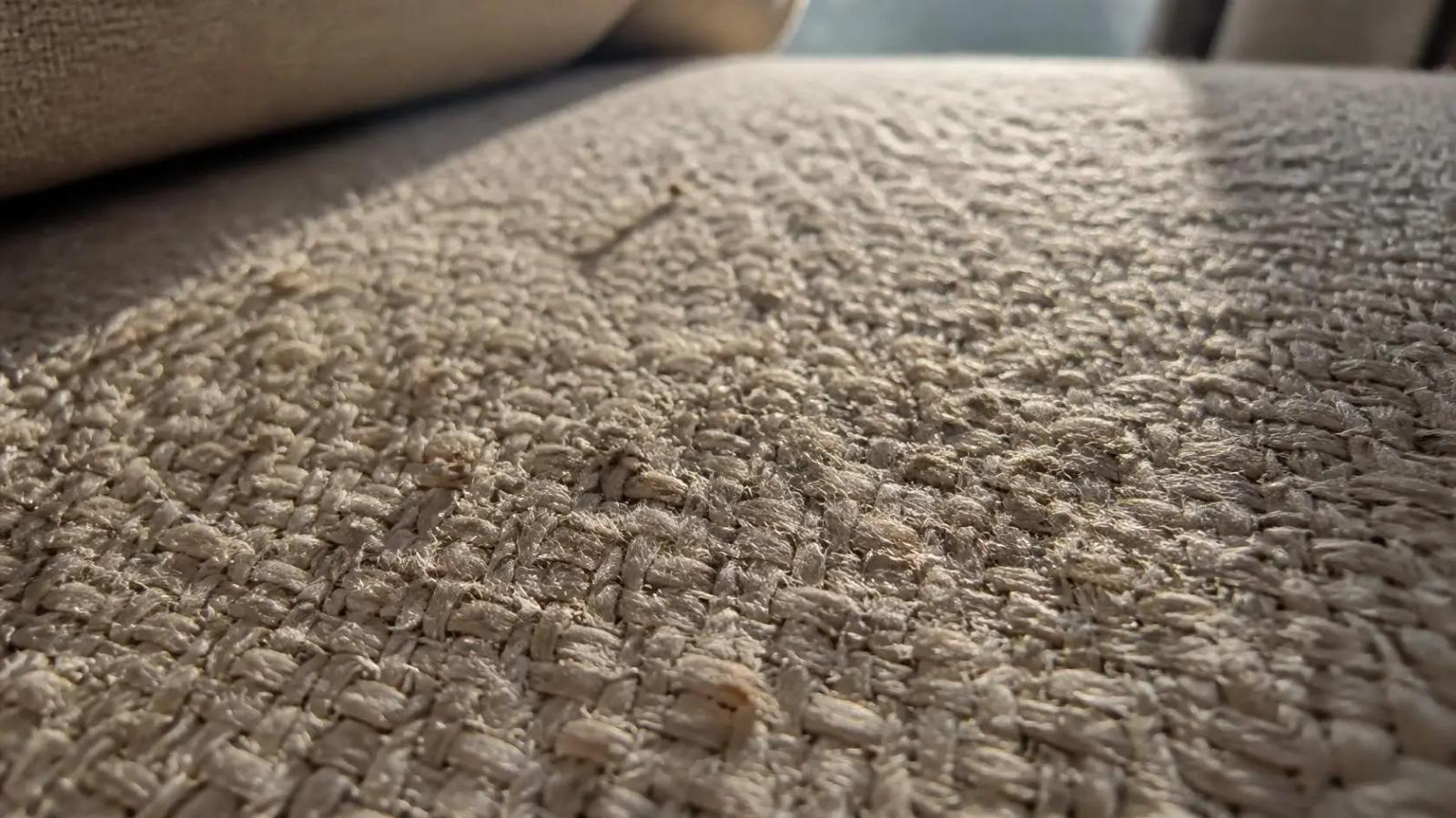
Dry soil comes first: dust, dirt, skin flakes and pollen that find their way into your home on shoes and pet fur. It sifts down between the fibers and makes up most of the load.
The second is oil. Skin, hair products and pets leave a film wherever they touch the fabric, which is why arms and headrests darken first. That film glues the dry soil in place.
Moisture is the one people forget. A spill that seems to vanish has usually soaked into the cushion, where it dries into a residue that keeps producing odor.
Each one causes a different problem, and together they are the real cost of dirty upholstery.
The Benefits of Professional Upholstery Cleaning
Better Indoor Air Quality and Fewer Allergens
Upholstered furniture can trap dust for years and release it a little at a time. Sitting down compresses the cushion and pushes fine particles into the air you breathe, including common allergy triggers: pollen, pet dander and the waste left by dust mites, which live in fabric and feed on shed skin.
The EPA notes that Americans spend about 90 percent of their time indoors, where concentrations of some pollutants often run 2 to 5 times higher than outdoors. About 20 million Americans are allergic to those mites, according to the Asthma and Allergy Foundation of America.
Cleaning will not cure an allergy. It cuts down how much allergen is sitting in the room, and for a sensitive household that's a practical step toward a healthier home.
Furniture Fabric That Lasts Longer
Regular upholstery cleaning extends the life of your furniture because it removes the grit that wears it out. Dry soil is abrasive. Every time a cushion flexes, the particles lodged between the fibers act like fine sandpaper. They cut and fray the yarn from the inside.
That's premature wear and tear, and it shows up as thinning seat fronts, pilled patches and fabric that splits along the seams.
Furniture Odors Removed at the Source
Odor in furniture comes from what is embedded in the fabric and the cushion beneath it. Body oils turn rancid. Dried food and drink feed bacteria and other microorganisms. Pet accidents leave salts that pull moisture back out of the air on humid days. That's how an old smell returns months later.
Sprays last an afternoon because the source is still in the cushion. A deep clean flushes it out, so the smell doesn't come back with the next humid day.
Fabric Color and Texture Restored
A film of oily soil dulls fabric the way a film dulls a window. A pale sofa turns gray, a patterned chair loses its contrast, and the fibers stiffen until a well-used cushion feels rough or tacky.
Once the film is gone, the original color comes back and the fabric feels soft again.
Cleaning Costs Less Than Furniture Replacement
Professional cleaning helps preserve furniture you've already paid for. On quality furniture the frame usually outlasts the fabric, so the fabric decides when a piece gets replaced. At Ardent Carpet Restore, a typical three-seat couch averages around $266 to clean, and a replacement of the same quality costs many times that.
All of that depends on the soil coming out.
Can You Deep Clean Upholstery Yourself?
Partly. Vacuuming is yours to do. Wet cleaning with home equipment is what causes damage.
Weekly vacuuming is the simplest part of keeping your upholstery clean, and the best way to protect your furniture between cleanings. But surface cleaning goes only so far. A vacuum can't dissolve oil, and it can't reach what has dried inside the cushion.

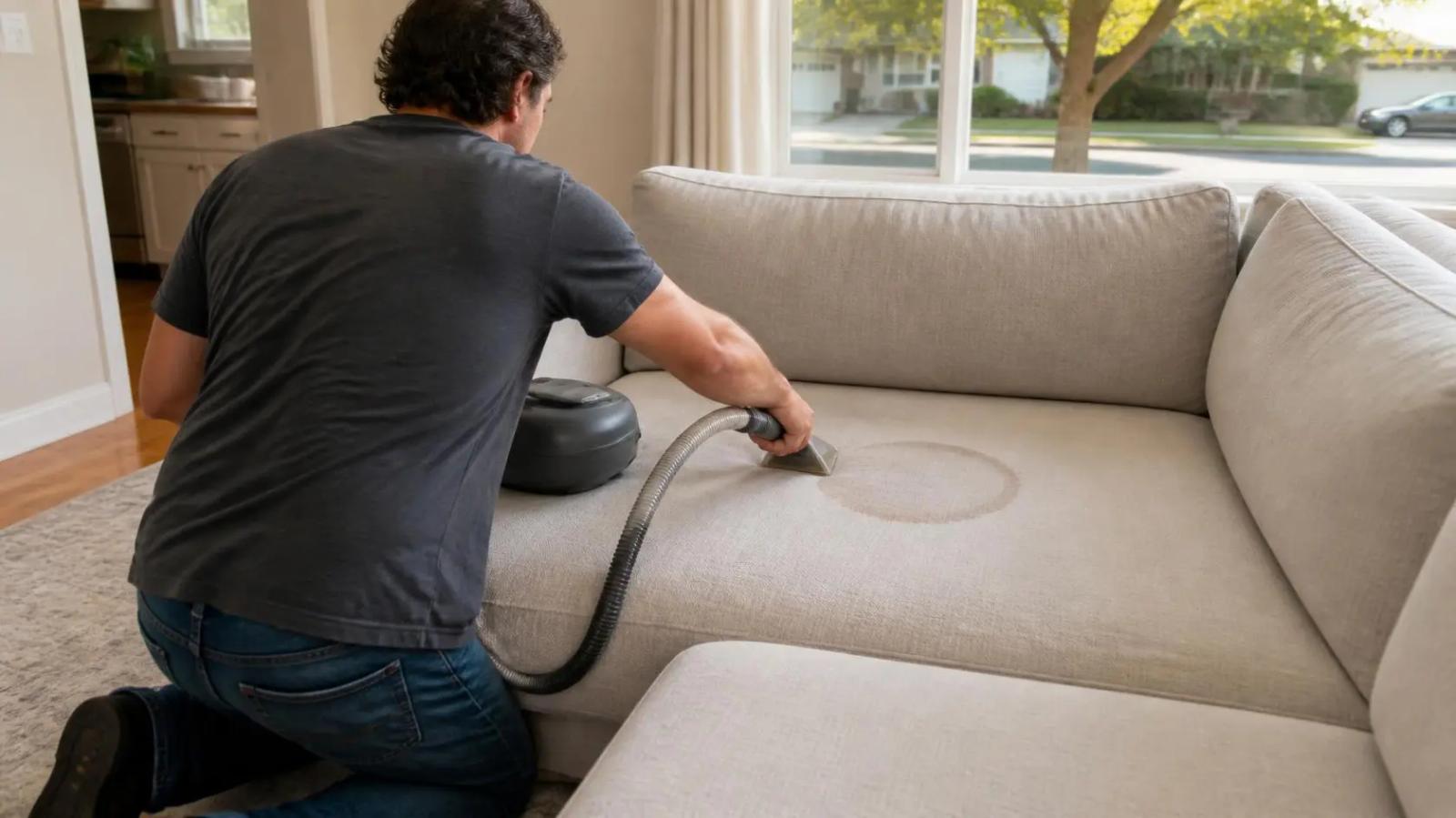
Do-it-yourself machines add water and detergent, and the trouble starts there. Rental carpet cleaning machines and small spot extractors put water in more easily than they pull it back out.
Too much water is the usual problem. It leaves water rings, slow drying and, on cotton and linen, brown discoloration. Detergent that isn't fully rinsed out leaves a sticky residue, so the furniture soils faster than before. Wool and other natural fibers can shrink or bleed dye under the wrong cleaning agent or too much heat.
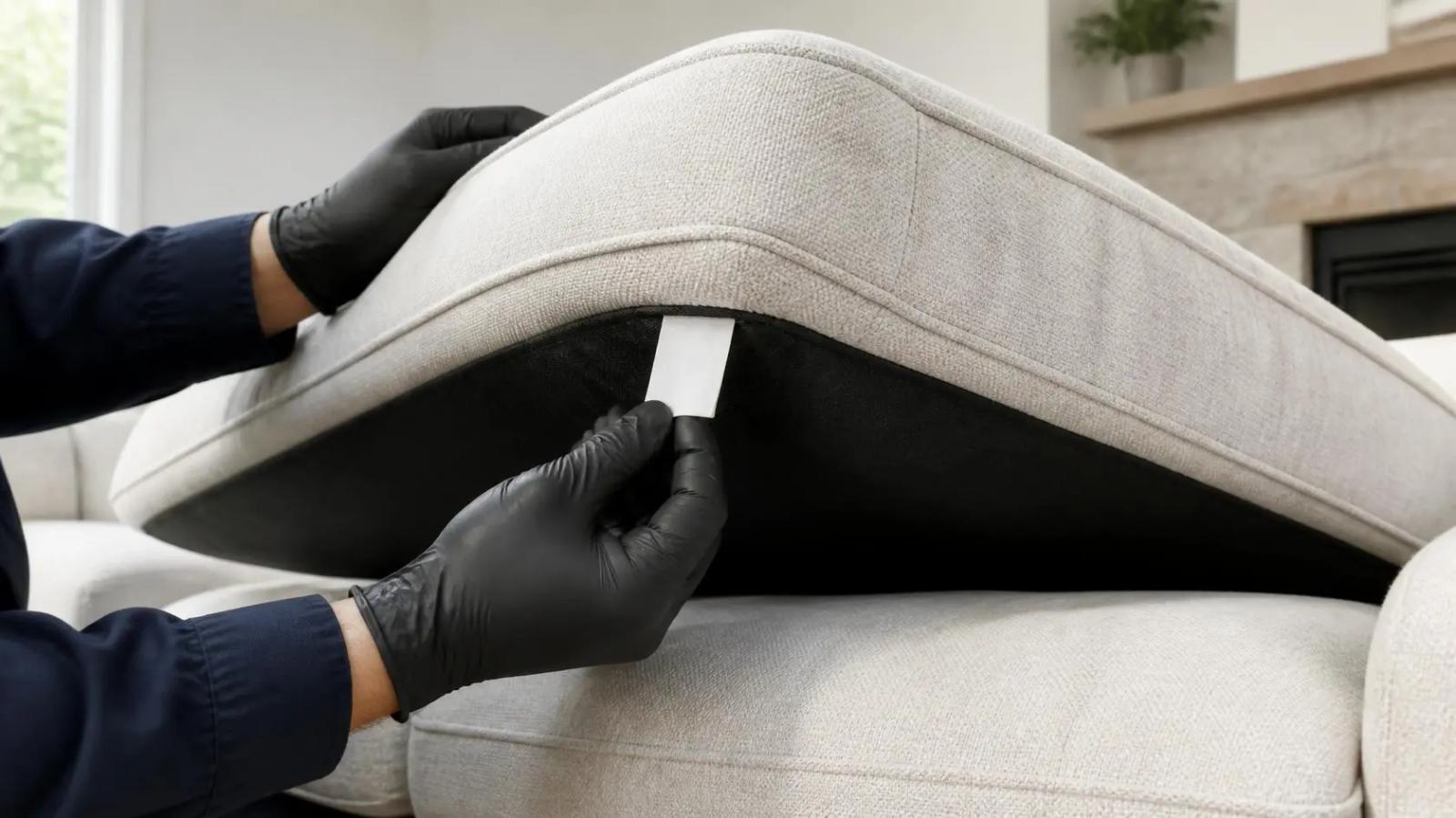
Some fabrics should never be wet cleaned at all. The care tag under the cushion says whether a piece needs a water-based method, a solvent, or neither, and reading it correctly is the first step of any safe cleaning method. Ardent's guide to upholstery cleaning cost explains what each letter on that tag means.
How Do Professionals Clean Upholstery?
A professional upholstery cleaning service starts with an inspection, and no water touches the fabric until it's done. The technician identifies the fiber and checks the care tag, then looks over the condition of the furniture for worn areas and loose seams. That decides the method.

At Ardent Carpet Restore, the technician is Vincent Adams. He has more than 23 years in the trade and is recognized as a Master Textile Cleaner by the IICRC, the industry's certification body for inspection, cleaning and restoration. His upholstery cleaning process follows the written ANSI and IICRC standards, and that training matters most on the fine and delicate fabrics that are easiest to damage.
Cleaning begins with a dry vacuum, because dry soil is far easier to remove before it gets wet. Vincent then applies a cleaning solution matched to the fabric and works it in lightly with a brush or sponge to loosen oily soil. Extraction comes next. Most often he uses a water rinse that flushes soil and solution out together, though some textiles call for shampoo or dry foam. Extra vacuum passes and air movers speed up drying, and he expects most items to dry within six hours.
He cleans the whole piece, including the parts you can't see. Cushions come off, sectionals come apart, and he pulls the furniture away from the wall to reach every side.
Leather furniture gets different handling. He conditions and treats it instead of rinsing it.
Does Upholstery Cleaning Work?
It works on soil. Embedded dirt, body oil, most odors and a large share of spots and stains come out with a thorough cleaning.
It does not reverse damage. Fiber that has worn thin stays thin. Color lost to sunlight or bleach doesn't return. Some stains have chemically dyed the fabric and are permanent, particularly ones that were scrubbed or treated with the wrong cleaning products first. Some odors outlast a cleaning too. Ardent cleans mattresses after house fires, and the smoke odor will likely still need an ozone chamber afterward.

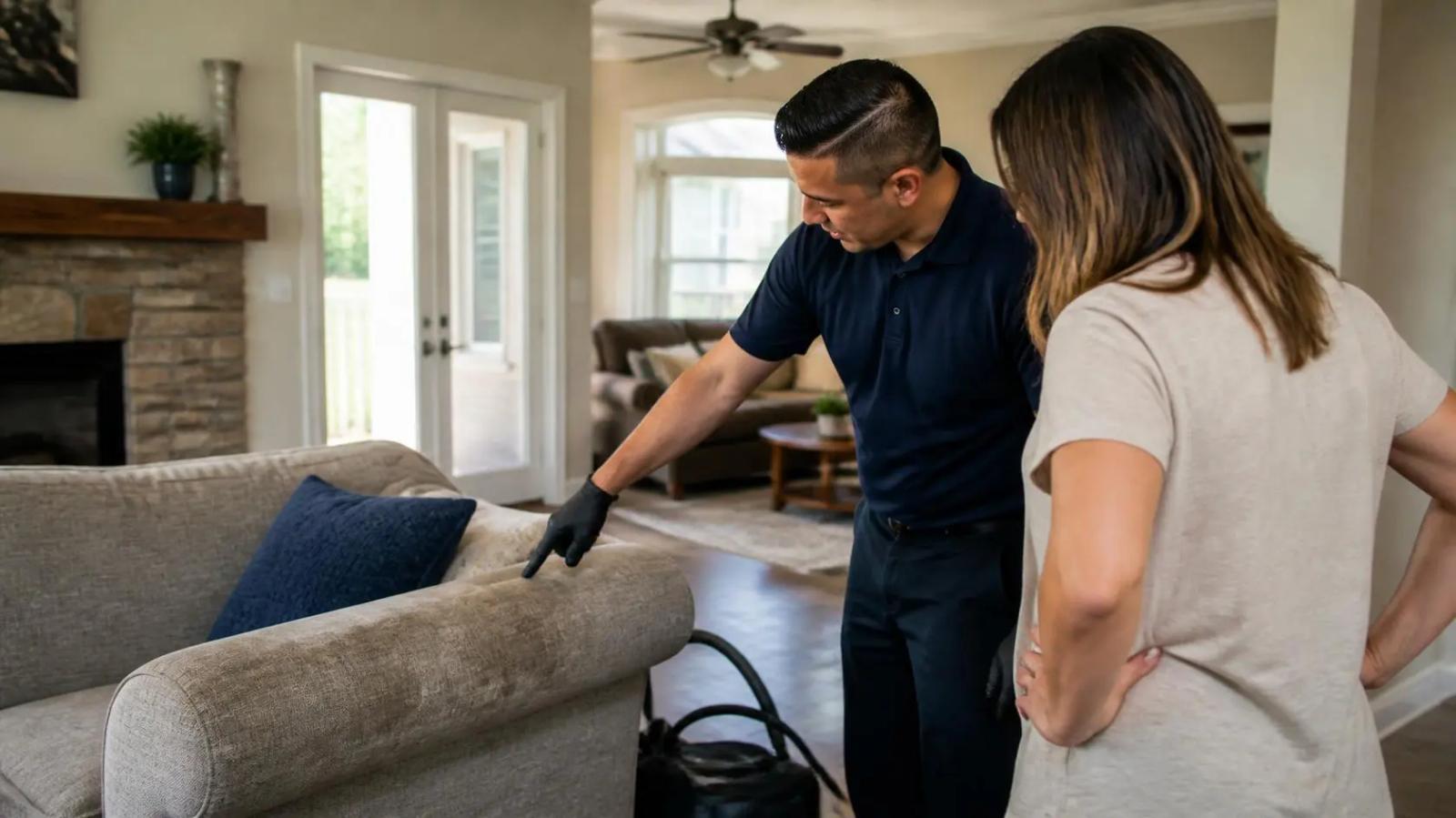
A good professional upholstery cleaner tells you which of these applies before any work starts. At Ardent, that conversation happens at a free in-home assessment.
How Often Should You Clean Your Upholstery?
Furniture makers' care guides generally recommend professional cleaning every 12 to 24 months, or sooner once a piece is visibly soiled. Where you fall in that range depends on use.
| Household | Where it falls in the range | |
|---|---|---|
Living room couch used every day | Close to every 12 months | |
Homes with pets or young children | Every 12 months, sooner if odor or spots return | |
Formal or guest room pieces | Closer to every 24 months |
Signs Your Upholstery Needs Cleaning
The early signs are easy to miss: arms and headrests a shade darker than the back, a smell that returns a day after airing the room, fabric that feels stiff or slightly sticky, and spots that reappear after you wipe them away.
For a quick test, lift a seat cushion and compare the fabric underneath to the top. If the upholstery appears brighter where no one sits, the difference is soil.
Common Questions About Professional Couch Cleaning
Upholstery Cleaning in Sacramento: Free In-Home Assessment
If you're unsure whether a piece is worth cleaning, have it looked at. Vincent assesses the piece in person and gives you an accurate estimate before any work is booked. Consultations are free within 20 miles.
Ardent holds a 5.0 Google rating and an A+ rating with the BBB, and takes a limited number of jobs each week. To schedule your assessment, call (916) 680-9333 or send the details through the quote form.